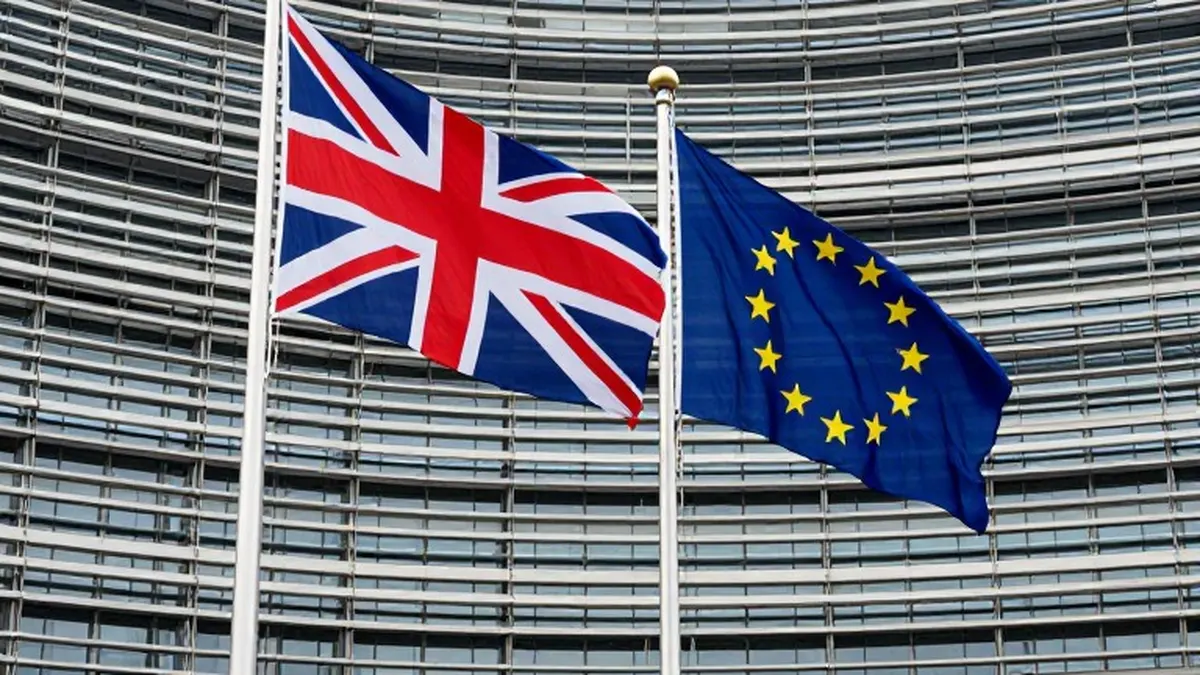
100,000 youth visas form core of UK-EU Brexit reset deal
London and Brussels agreed to restore trade links and carbon market connections, with implementation hinging on a six-month deadline for tuition fee adjustments.
By Nadia Khalil ·

British Prime Minister Andy Burnham announced Friday that a deal to restart the process of unwinding Brexit is complete. The agreement includes a youth experience scheme offering 100,000 places annually to 18-to-31-year-olds, double the 50,000 spots initially proposed by London. The summit in Brussels also secured agreements on freer trade for food and drink, the relinking of carbon markets, and closer cooperation on illicit migration.
Downing Street confirmed the framework is settled, though talks will continue on specific details. The most contentious point involves tuition fees for European students attending UK universities. The European Commission stated it will accept a discount that allows these students to pay less than current rates, but the cost must cover their courses. The EU will not implement the broader agreements until the UK introduces this fee structure within six months.
Burnham arrived in Brussels on Thursday evening as French negotiators softened their stance. One EU diplomat noted the shift, saying, "The French have climbed down the Himalayas compared to yesterday. It’s peace in our time." British officials reported that EU member states moved closer to the UK position on decision-shaping issues late Thursday. Under the deal, UK officials will advise on EU laws regarding agriculture and food standards, though they will not hold voting rights. Britain must follow these laws after implementation.
Burnham told supporters the deal offers tangible benefits for voters and businesses. "There’s the possibility of lower food prices, I can’t turn my back on that," he said. He cited lower business costs, reduced red tape, and a potential Channel action plan on immigration as key wins. The prime minister hopes the agreement creates a positive environment for a national conversation about Britain's future in Europe, including the possibility of rejoining the bloc.
Industry groups have reacted with mixed feelings to the final terms. British businesses must wait until 2028 to be exempt from the EU's carbon border taxes, despite the relinking of carbon trading markets. Frank Aaskov, director of climate change policy at UK Steel, said the industry was disappointed that Brussels did not grant an earlier exemption based on the political commitment to re-link pricing schemes. Adam Berman, director of policy at Energy UK, warned that delays would expose British exporters to higher taxes and increased electricity costs.
Professional services groups also expressed concern after their calls to ease post-Brexit restrictions for lawyers and accountants were rejected. Negotiators tried to include exchange schemes for young professionals in the youth mobility program, but the EU declined. The final text commits both sides to joint action to protect supply chains, a compromise reached during the final hours of negotiation.
The EU demanded that any UK access to the