Columbus Trades Center Enrollment Jumps
Electrical apprenticeship numbers rise as data center construction drives demand for skilled labor in Ohio.
By Ethan Mitchell ·
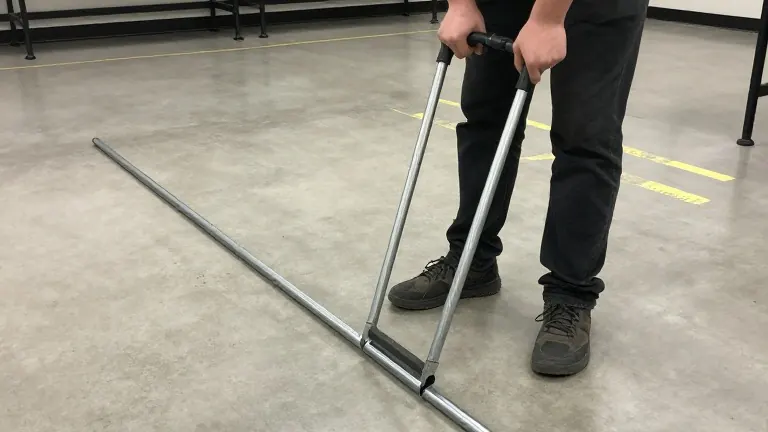
Ashley Baukman stood in a classroom at The Electrical Trades Center of Central Ohio, a few miles south of The Ohio State University, and bent a piece of steel tubing. She used a manual foot pedal and physical force to curve the metal 90 degrees. The task was part of a conduit bending class she attended once every two weeks as an apprentice.
Baukman, 36, began her apprenticeship in the spring. She works on construction sites the other days under the supervision of journeymen electricians. The center has seen rapid growth in recent years. Enrollment rose from 500 apprentices in 2022 to more than 800 today. The program previously operated only as a night school but now holds daytime classes to accommodate the increase in students.
The expansion coincides with a surge in demand for electricians. Construction projects for data centers have fueled the need for skilled labor. Trent Parker, the center's director, noted that several dozen current apprentices hold four-year degrees. About 300 applicants have at least some college experience on their resumes. Parker stated that the curriculum matches college-level coursework, requiring knowledge of trigonometry, decimals, and fractions.
Baukman is a licensed social worker and the first in her family to graduate from college. She earns just over $25 an hour on the job and receives a stipend for class days. This pay is higher than her previous salary as a social worker. She is scheduled to nearly double her wage in just over three years. She cited the ability to see projects through to completion as a key benefit of the work.
Mike Hansen, 39, also joined the apprenticeship after completing college and serving ten years in the Army. He left graduate school after finishing his master's degree in sport and performance psychology. Hansen recalled that vocational training was often stigmatized when he was younger. He said guidance counselors and parents typically urged students to pursue engineering degrees to reach six-figure incomes.
Michael Hughes, another apprentice, majored in English in college with a goal of writing for television and movies. He later worked for the Geek Squad installing home theater systems. Now, he pulls wire, adds pipe, and replaces panels in various settings, including a police station, a paper mill, and an auto plant. He compared the learning process to living in a foreign country while taking formal language classes.
The apprenticeship program guarantees a minimum starting wage of $23 an hour. Wages increase as apprentices reach milestones for hours worked, topping out at $46 an hour. Many journeyworker electricians earn more than $100,000 a year with overtime. Contractors sometimes offer incentives of $5 or $10 over the union-negotiated hourly wage for specific projects. Some sites pay double time for all overtime, and rumors circulate about triple time pay.
Harry Cekovich, 34, was assigned to a solar field where he runs cables through rows of panels. He is a graduate of The Ohio State University and previously worked as a massage therapist and bartender, often working 60 to 70 hours a week. Through the union contract, he now has retirement benefits and health insurance with no premiums. He previously had no benefits from his earlier jobs.
Data center construction accounts for about half the work in the school's jurisdiction. Some apprentices, like Cekovich, are enthusiastic about the high pay rates. Hansen expressed concerns about the environmental impact of data centers, citing energy and water use. He said he might avoid data center jobs once he becomes a journeyman and can choose his assignments. Ohio Governor-elect Amy Acton has called for a conditional moratorium on new data center construction to ensure developers cover utility costs and use union labor.
More Business · Columbus news · Customer Complaints · Report a business · Got a Story?