Federal Rules May Restrict 7-OH Kratom Products Starting Friday
New guidelines target high-concentration tablets sold at gas stations, aiming to curb addiction risks while leaving traditional botanical kratom available.
By Emily Brooks ·
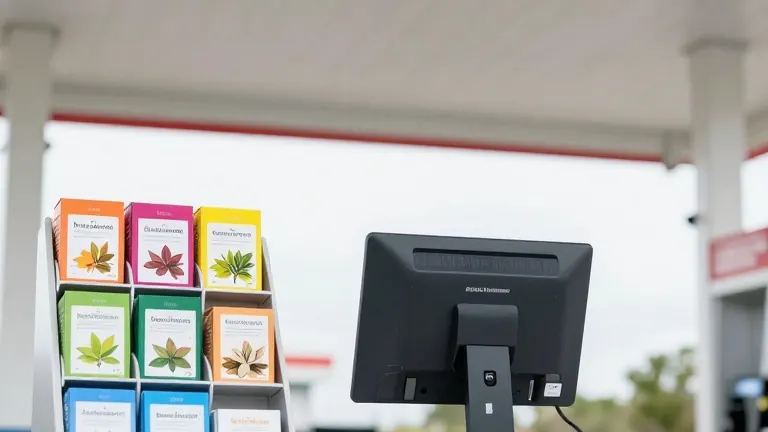
The Drug Enforcement Administration is set to implement a federal restriction on certain 7-OH products as early as Friday, Nov. 13, 2026. The move targets semi-synthetic opioids derived from kratom that are sold in high concentrations, while natural botanical kratom remains federally legal.
The new rule follows a shift in policy by the U.S. Department of Health and Human Services on Oct. 9. The agency advised the DEA to narrow its focus to products containing higher levels of 7-hydroxymitragynine or mitragynine pseudoindoxyl. This change came after the American Kratom Association filed a federal lawsuit against the DEA on Aug. 26. The lawsuit challenged an earlier rule that listed three related compounds under the Controlled Substances Act, a category that includes heroin and LSD.
Kratom is a tree in the coffee family, and 7-OH is a psychoactive ingredient found in it. Users often buy 7-OH tablets, gummies, or tonics at smoke shops, liquor stores, and gas stations. Tyler, 38, a Columbus resident, used kratom powders for a decade to manage opioid addiction. He began taking 7-OH tablets in early 2025 because they were gentler on his stomach. He consumed 300 to 400 milligrams daily, roughly ten times the dose taken by Angela Wilson, 44, a Delaware mother who uses the substance for chronic pain. Tyler eventually entered a rapid detox program in Michigan in March to stop using the substance.
Research data indicates a rise in usage and associated health events. A report from 53 U.S. poison control centers showed calls related to kratom increased by 1,200% between 2015 and 2025. That report also recorded 233 deaths linked to kratom over the same decade. Chris Holstege, a professor of emergency medicine and pediatrics at the University of Virginia, noted that 79% of those deaths involved multiple substances. However, 62% of the poison control calls involved people using kratom without other drugs. Estimates of total users in the U.S. vary, with some researchers citing figures between 5 million and 15 million.
Advocates for the substance argue that it helps manage chronic pain and supports recovery from opioid addiction. Angela Wilson, who takes 32 to 40 milligrams of 7-OH daily, said losing access to the product would be devastating for her family. She does not have health insurance and relies on the substance to manage pain from endometriosis. The National Institute on Drug Abuse states that early studies suggest kratom compounds warrant further research as experimental treatments for substance use disorders. The agency notes that opioid deaths in the U.S. decreased from over 79,000 in 2023 to 54,000 in 2024.
Brian, 41, another former user, stopped taking 7-OH in April 2026. He reported spending about $150 a day on the substance and experiencing severe withdrawal symptoms, including anxiety and gastrointestinal issues. He said the withdrawal from 7-OH was more debilitating than the withdrawal from his previous opioid use. Researchers say more studies are needed to understand the long-term effects of these products. The current federal action does not ban traditional kratom, but it limits the sale of specific high-potency derivatives.
More News · Columbus news · Report a business · Got a Story?