GAA experts recommend four-point goal for 2027 intercounty play
Football Expert Advisory Group cites 30 percent rise in scoring after 28 Ryan Cup games, urging Central Council to extend the trial.
By Ethan Mitchell ·
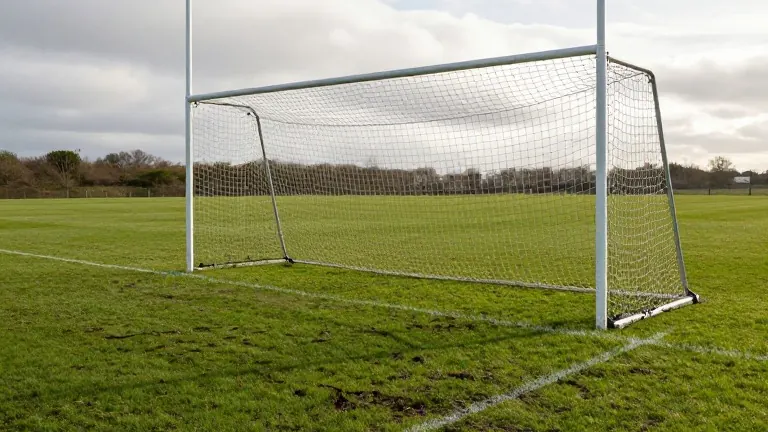
The Football Expert Advisory Group recommends that the GAA adopt the four-point goal in all intercounty competitions next year.
Chairman Kevin McStay presented the proposal to the GAA Management Committee on Monday night. The group will formally submit the recommendation to Central Council this weekend. The body aims to continue the trial in the National League and All-Ireland Championship.
The four-point goal is the top priority among six recommendations. McStay stated that the rule retained strong popularity throughout the current trial period. He emphasized that data collection was positive, though he noted the rule requires public approval to succeed.
Statistics from the Higher Education Division One Ryan Cup support the proposal. The 2025 tournament saw an average of 3.6 goals per game across 31 matches. This year’s competition shows an average of 4.7 goals per game after 28 matches. This represents an increase of approximately 30 percent. McStay explained that the change was designed to preserve the value of the goal as the most exciting moment in the game.
The advisory group also proposed five technical changes. These include allowing six substitutions instead of five, extending the 40-metre arc to the endline, and aligning advancement frees for dissent, kickout infractions, or breaches of the 13-metre line. The group also suggested denying a goal-scoring opportunity if a fouled player does not possess the ball, and requiring a player’s foot to be on or behind the line during a sideline kick.
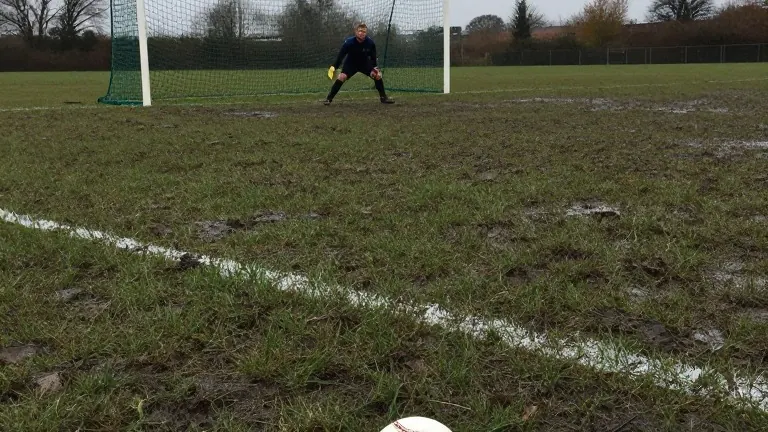
Several other rules being tested in the Ryan Cup are being shelved for now. The group decided against continuing trials for the limit on consecutive hand-passes, prohibiting fisted points, the backcourt rule, and kickouts that only need to travel beyond 13 metres. McStay cited heavy winter pitches and varying levels of preparation among college teams as reasons for needing more data. He described the threshold for keeping these rules as extremely high.
The hand-pass limit showed a dramatic reduction in hand-passes but caused confusion for referees and players. McStay compared the side effects to a medication with severe negative reactions. He noted that the resulting five-metre footpasses were not visually appealing and did not reduce lateral play as intended. The group credits the Higher Education Committee and chairman Benny Hurl for facilitating the data collection. If the four-point goal trial proceeds, provincial councils will likely test it in the O’Byrne Cup, FBD League, McGrath Cup, and McKenna Cup. A special congress would be required next autumn to make the rule permanent.
More Sports · Dublin news · Report a business · Got a Story?