Iraqi Marshes Refill After Drought Ends
Water buffalo herders return to the Central Marshes as environmentalist Jassim al-Asadi resumes monitoring water levels three years after his release.
By Emily Brooks ·
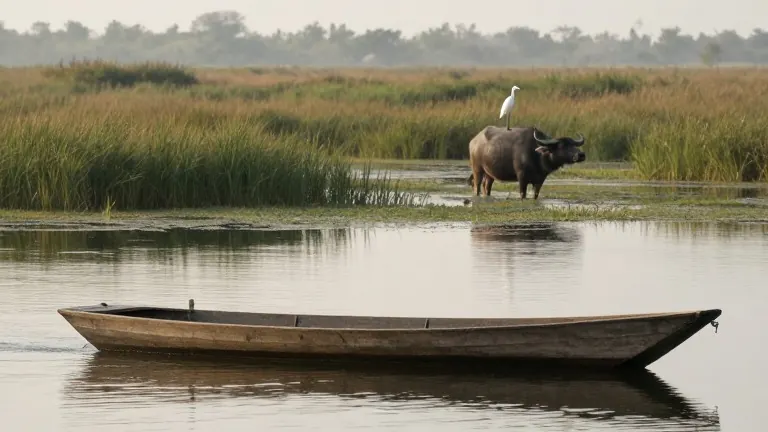
Water buffalo herders are returning to the Central Marshes in southern Iraq after a five-year drought ended. The wetlands, which hold the Middle East’s largest wetland ecosystem, are refilling with water. This return allows residents to resume traditional breeding and milk sales.
Jassim al-Asadi, an environmentalist and co-founder of Nature Iraq, is back on the water. He is monitoring water levels and speaking with fishermen. His presence in the marshes marks a return to his routine following a period of absence due to his kidnapping and the severe drought that preceded it.
The marshes suffered greatly during the drought. In areas where water remained, it was brackish. This saltwater stunted reeds and grass. Water buffalo died from lack of food and contaminated water. Many residents left with their remaining herds for the outskirts of southern Iraqi cities in search of fresh water.
Al-Asadi has worked on these marshes for decades. In the 1990s, Saddam Hussein drained parts of the marshes to punish a Shiite uprising. After the 2003 invasion, Al-Asadi and co-founder Azzam Alwash helped remove earth embankments. This allowed water from the Tigris and Euphrates rivers to flood back in. The marshes were designated a UNESCO World Heritage Site in 2016.
In February 2023, an Iran-backed militia kidnapped Al-Asadi. Gunmen stopped his car on the road south of Baghdad. They blindfolded him and drove him to a location he believed was farmland. There, they beat him and accused him of being an Israeli spy. They held him for two weeks, subjecting him to torture including waterboarding and electric shocks.
Al-Asadi refused to sign a confession. He wrote a will instead, stating his love for Iraq and his wish for its independence. His Bani Asad tribe secured his release. Four hundred armed tribal members surrounded the kidnappers' location to demand he be freed. As part of the deal, Al-Asadi did not pursue the case in court. He refused asylum in Europe to stay and work in the marshes.
Al-Asadi’s co-founder, Azzam Alwash, has not returned to Iraq since the kidnapping. Intelligence services in three countries warned Alwash that he was also at risk. Alwash said Iran viewed Nature Iraq as a Mossad operation. He noted that Western governments funding environmental work confused Iranian officials, who suspected espionage.
Nature Iraq continues to operate in southern Iraq and the Kurdistan region. The group has built floating islands for buffalo breeders and reed guest houses for tourists. Al-Asadi is now in the marshes, observing wildlife such as egrets and kingfishers. He is assessing how the recent season of rain has changed the wetlands.
More News · Columbus news · Report a business · Got a Story?