Mushroom supplement claims meet a skeptical scientific reality
While social media promotes fungi for energy and aging, experts caution that large-scale clinical data remains limited.
By James Anderson ·
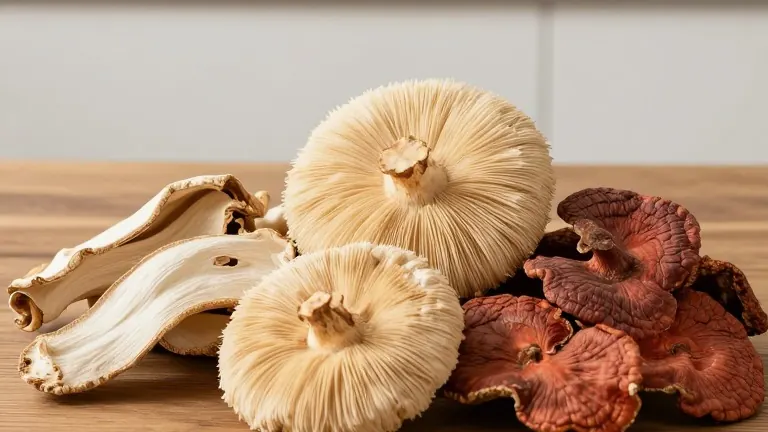
Columbus, Ohio, residents are seeing a surge in advertising for mushroom supplements, but local and national experts say the science behind the products is still catching up to the marketing.
Companies selling fungal extracts often claim that specific species can slow aging, boost energy, and improve focus. Julie Daoust, vice president of science and innovation at Monterey Nutra, notes that her company focuses on functional mushrooms rather than poisonous or psychedelic varieties. Daoust, who holds a Ph.D. in chemistry, argues that fungi share more biochemical similarities with humans than plants do, making them promising sources for new therapeutics.
Daoust points to lion's mane for cognitive support and reishi and turkey tail for immune health. She describes these organisms as producing interesting chemistry to survive in their environments. However, the industry lacks the extensive clinical trials needed to prove these benefits are safe and effective for the general population.
Abby Langer, a registered dietitian based in Toronto, states that evidence for functional mushrooms is currently limited. She warns that mushrooms concentrate materials from the ground in which they are grown, requiring caution. While mushrooms have been used in healing practices in parts of Asia for generations, Langer says long-term use does not automatically establish safety or proper dosing.
Despite the skepticism, Langer acknowledges that research is accumulating quickly. Mushrooms are a source of vitamin D2 and antioxidants. Their cell walls contain beta-glucan, which is linked to gut health and immune response. Some studies have connected beta-glucan to a lower risk of Crohn's Disease, though research on cognitive effects has yielded mixed results.
One area showing potential is cancer treatment. In Japan, a purified extract from turkey tail called PSK has been studied in patients with gastric tumors. A meta-analysis of eight randomized controlled trials involving 8,009 patients found that those who received PSK after surgery and chemotherapy had a 12% reduction in the risk of death.
Santhosshi Narayanan, an integrative oncologist at the University of Texas MD Anderson Cancer Center, says this result is noteworthy. However, she cautions that PSK does not cure cancer on its own. The studies were conducted in Japan, so results may differ for patients with different genetics or treatment regimens in other countries.
Narayanan and her colleagues reviewed 2,349 studies on medicinal mushrooms and cancer. Only 39 were robust enough for their 2023 analysis. Of those, 31 showed beneficial effects, including improved quality of life and reduced side effects from chemotherapy. Six studies found no advantage, and two showed worse outcomes. The analysis could not draw clear conclusions about the complex effects of mushrooms on the immune system in cancer patients.
Narayanan states that there is not yet enough evidence to support routine clinical use of mushrooms in cancer treatment. She emphasizes the need for more research to determine which patients benefit from which types of fungi.
Langer advises consumers to review their basic nutrition before adding supplements. She suggests adjusting fiber and protein intake, reducing alcohol or sugar-sweetened beverages, and eating out less often. She notes that people can improve many aspects of their diet before adding a product promised to fix all health issues.
More News · Columbus news · Report a business · Got a Story?