New Zealanders and Australians Dominate Route 66 Centennial Travel
A 2024 study found international travelers are more likely to drive the full 2,500-mile distance than U.S. residents.
By James Anderson ·
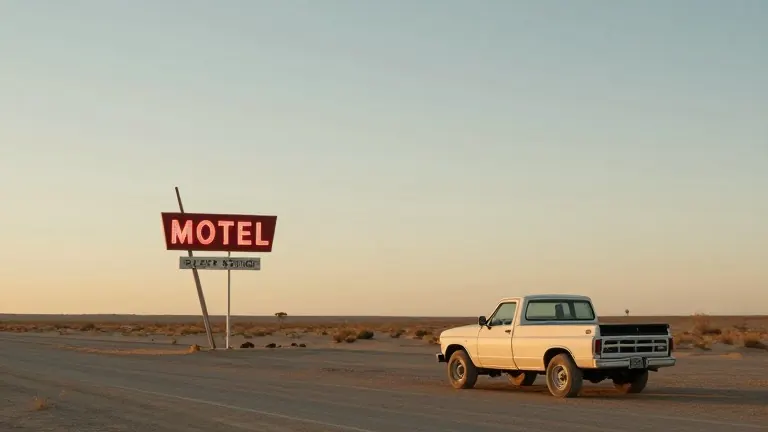
Sixty to seventy percent of the visitors at The Wigwam Motel in San Bernardino, Calif., are international travelers, according to manager Samir Patel. This statistic comes from a 2024 study by tourism research firm SMARInsights, shared with NPR by the New Mexico Tourism Department. The research found that international visitors are more likely to drive the entire length of the highway than those living within the United States. The data challenges the assumption that the iconic road is primarily a domestic tourist destination.
The highway celebrates its 100th anniversary this year. It stretches nearly 2,500 miles from Chicago to Santa Monica. Despite being removed from the official U.S. highway system in 1985, the route remains a major draw. The modern interstate system made older sections obsolete, leaving Route 66 as an incomplete patchwork of paved and unpaved roads. Tour operators like Gilligans Tours cater specifically to this demand. Sam Murray, a New Zealand-based owner, has led trips along the route in the spring and fall for more than a decade. His client base consists mostly of tourists from Australia and New Zealand.
For many travelers, the journey is about collecting physical reminders of the trip. Alan Jacob, a retired plumber from a small town near Wellington, New Zealand, focuses on fridge magnets. He has purchased them at stops along the way, including Amboy, Calif. In Amboy, the famous 50-foot-tall neon sign for Roy's Motel and Cafe stands in the Mojave desert. Jacob plans to mount his collection on a white, powder-coated sheet when he returns home. He will place each magnet at the specific location where he bought it. Other members of his tour group have purchased T-shirts, hats, socks, and even tattoos.
The appeal of the route also lies in its connection to mid-20th century American pop culture. Pete Volkers, a retired apple grower, described seeing neon signs and small towns that mirror what he saw in TV shows like Happy Days growing up. He noted that such scenery is rare elsewhere in the world. However, he also observed a sense of bleakness in some areas. He mentioned that traffic often zooms through little towns without stopping. Murray, who was inspired to drive the route after visiting the U.S. for an auto race in 2005, said the experience is not easy. He noted that driving a two-lane highway from Chicago to Santa Monica is a large expectation for anyone, especially those used to driving on the opposite side of the road.
Stops along the way continue to thrive with tourist activity. Oatman, Ariz., is a windswept former gold mining town packed with visitors on a Monday afternoon. The Oatman Hotel, built in 1902, features ceilings and walls plastered with bills. Carrie Eagan, the restaurant manager, said foreign visitors are often more excited than domestic ones. They tend to dress to impress and are ready to go, while Americans know more about the history. Tourist Kieron Guinness, a retired bartender from New Zealand, is particularly interested in American cars. He imports vehicles to his home country despite the difference in steering wheel positions. His wife, Wendy, recalled gaining 20 pounds during a high school exchange year in California due to the abundance of food.
The journey concludes in Santa Monica. Tour groups gather near the famous End of the Trail sign for photographs. Murray said arriving at the end of the route is usually a relief for guests. The combination of nostalgia, car culture, and the sheer length of the drive keeps the interest of travelers from overseas. The centennial year has not diminished the road's power to attract visitors from across the globe. The patchwork of roads remains a tangible link to the past for those willing to make the long drive.
More News · Columbus news · Report a business · Got a Story?