O'Dea Seeks UN Link in New Deployment Rules
A proposed amendment would require Irish troop missions to align with General Assembly resolutions, a move the government calls a non-binding recommendation.
By James Anderson ·

Former defence minister Willie O'Dea has circulated a proposed amendment to his Fianna Fáil colleagues that would add new conditions to the legislation replacing the triple lock. The amendment requires that any deployment of Irish troops overseas must align with a current resolution of the United Nations General Assembly. It does not require a specific mandate from the UN Security Council, but it demands that the dispatch of troops be wholly consistent with the aims of the relevant resolution. O'Dea shared the proposal with party members on Tuesday as the bill moves through the Oireachtas.
The Defence (Amendment) Bill currently requires only a government decision and a Dáil vote to send 12 or more Defence Force members overseas with an armed international force. This change removes the previous requirement for approval from the five permanent members of the UN Security Council, as well as separate Oireachtas and government support. The coalition government argues the old system gave the Security Council an effective veto on peacekeeping missions. O'Dea's proposal aims to bind future missions to UN proceedings without replicating that veto power.
Minister of State for Foreign Affairs Neale Richmond addressed the proposal in the Dáil on Tuesday without naming O'Dea directly. He argued that General Assembly resolutions are recommendations rather than legally binding orders. Richmond stated that these resolutions cannot be regarded as a direct substitute for Security Council authorisation or for sovereign decision-making by Ireland's democratic institutions. He suggested that using the General Assembly mechanism to replace the Security Council is an argument that requires careful scrutiny.
O'Dea is among several Fianna Fáil backbenchers who have expressed concerns about the reforms. He has asked colleagues in the parliamentary party for support on the amendment and is expected to raise the issue at the weekly meeting of Fianna Fáil TDs, MEPs, and Senators on Tuesday evening. The opposition is likely to increase pressure on this group of dissenters as the legislation proceeds. The bill has become a political flashpoint, with the opposition charging that it endangers Irish neutrality while the government insists it safeguards the state's sovereignty.
The Oireachtas Committee on Defence is preparing for a substantial volume of changes to the bill. Rose Conway-Walsh, the chairwoman of the committee, expects over 100 amendments to be submitted for the committee stage. She reported that dozens of amendments from opposition parties had already been received as of Tuesday. The deadline for submissions is 11 am on Wednesday. The committee will begin its substantive debate on these amendments on November 24.
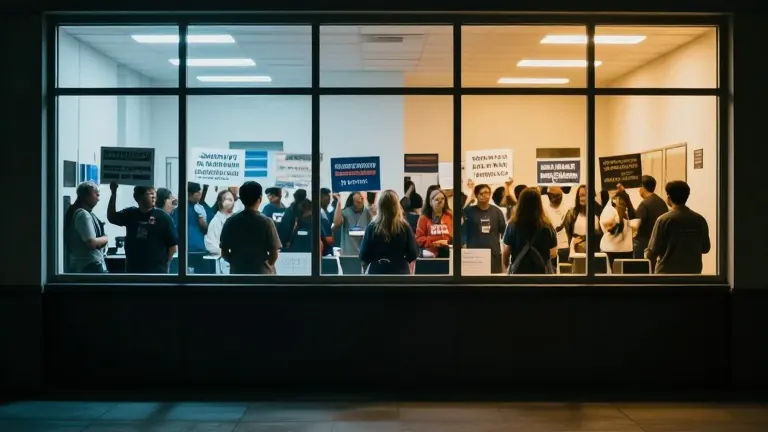
Conway-Walsh indicated that she wants to afford committee members ample time to scrutinise the bill and understand its implications. Government ministers have accused the opposition of attempting a filibuster. A protest organised by the Irish Neutrality League, involving all opposition parties, is scheduled for Saturday in Dublin. Sinn Féin has also tabled a private members' motion for Tuesday evening specifically on the topic of neutrality.
Sinn Féin defence spokesman Donnchadh Ó Laoghaire described the issue as big and weighty on Tuesday. He said people have reasonable concerns about what deployments they might send into a volatile world. Ó Laoghaire noted that while Irish forces are not expected to enter a hot war, the danger lies in missions where there is mission creep. He expressed concern for personnel safety and for the reputation of Ireland as a neutral country, which he believes the government is putting at risk. Paul Murphy of People Before Profit claimed the legislation is being rushed through the Oireachtas.
The coalition government aims to pass the legislation by the end of the year. The process involves balancing the desire for sovereign decision-making with the concerns of backbenchers and opposition parties. The committee stage will determine how many of the over 100 proposed amendments survive to a vote. The next scheduled step is the committee debate starting November 24, where the specific language of O'Dea's amendment and others will be examined in detail.
More Politics · Dublin news · Report a business · Got a Story?