Ohio Households Face $1,000 Heating Oil Bill Increase This Winter
New data indicates that energy costs in Ohio will spike sharply as winter approaches, with electric bills potentially reaching $230 in January.
By Emily Brooks ·
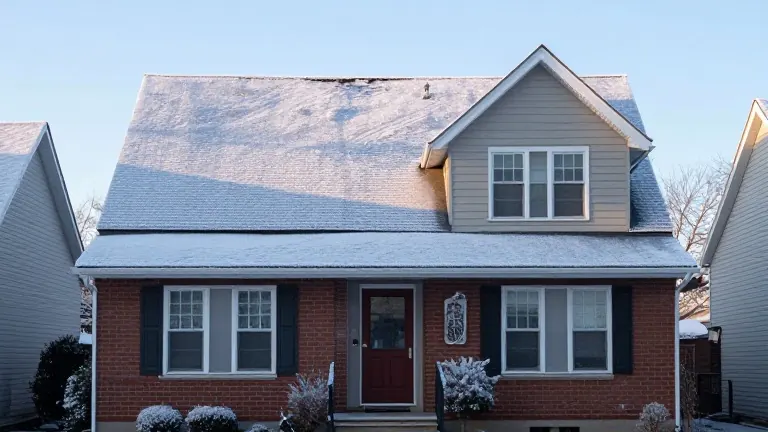
Ohio households relying on heating oil face an additional cost of nearly $1,000 for a typical amount of fuel this winter, according to new analysis from Third Way. For larger homes, the increase is projected to exceed $3,000 compared to the previous winter.
The price jump comes as the National Energy Assistance Directors Association (NEADA) projects that winter heating costs will rise by almost 9% across the country. This increase is more than double the national inflation rate. In Ohio, this trend could push a typical household electric bill to as high as $230 in January.
Several factors are driving these record-high energy prices. The conflict in Iran has increased the cost of gasoline, diesel, and other goods. At the same time, the growth of data centers and the electrification of homes are placing new demands on an aging electrical grid.
The current administration has also influenced market conditions. By canceling or blocking 22 gigawatts of clean energy deployment, federal policies have reduced the supply of new power. In the first quarter of 2026 alone, canceled projects represented enough capacity to power between 2 and 3 million homes and businesses annually.
Ohio’s electricity prices have increased 63% since 2021. PJM, the primary utility for the state, has prioritized fossil fuel deployment over a more diverse energy mix. Hundreds of energy projects, including low-cost solar and battery storage, are currently waiting to connect to PJM’s grid.
The financial burden falls hardest on specific groups. Nearly 11% of Ohio’s population lives below the national poverty line. Additionally, about 75,000 households in the state depend on heating oil. For these residents, the forecast is particularly difficult as they pay almost twice as much for fuel as they did last winter.
Weather may offer a temporary reprieve this year. Warmer temperatures associated with El Niño could lower heating demands. However, experts note that this relief will not extend to the next winter season. The Energy Information Administration’s national forecast predicts winter heating prices will remain 34 percent higher than last year, even if the conflict in Iran ends immediately.
Analysts suggest that a diverse energy mix would help stabilize prices. Wind, solar, and batteries take less time to build and are less subject to price volatility than natural gas. Currently, administrative delays and financing changes have slowed the deployment of these resources.
The next step in addressing these costs involves federal, state, and local governments working to expand generation and improve infrastructure. Until new capacity comes online, consumers in Ohio will face higher bills for heating and electricity. The data indicates that the current pricing structure will remain in effect for the coming months.
More Business · Columbus news · Customer Complaints · Report a business · Got a Story?