Ohio State Power Plant Opens, Cost Hits $585 Million
The west campus facility is running three years late, with final costs more than double the original 2020 estimate.
By James Anderson ·
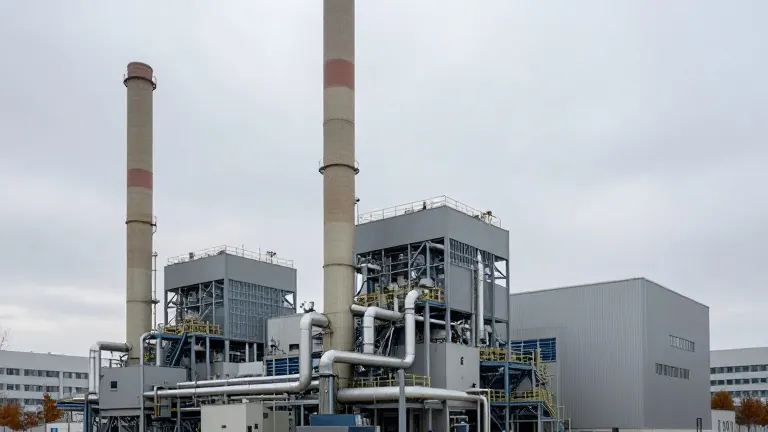
Ohio State University’s new combined heat and power plant is now operating, ending a construction period that stretched three years beyond its initial target. The facility on west campus came online in early September, according to university officials. Total project costs are expected to exceed $585 million, more than double the original estimate.
The Ohio Power Siting Board approved the project in September 2020 with an initial cost estimate of $278 million. That figure was later revised to $289.9 million with board approval. University spokesperson Dan Hedman said in an email that Ohio State’s specific financial responsibility for the project is $349 million. This amount represents a $59 million overage beyond the revised estimate.
Hedman stated that any costs beyond the university’s $349 million share will be the responsibility of ENGIE Buckeye Operations. ENGIE manages the university’s energy operations and served as the project manager. Ohio State Energy Partners is identified as the organization managing the plant. The university’s Facilities Design and Construction website lists both entities in their respective roles for the project.
Hedman attributed the increased costs and delays to a combination of factors. These included material expenses, inflation, design and cost challenges, and project management pressures. He also noted that the termination of the original contractor by ENGIE Buckeye Operations contributed to the timeline slip. The final project cost is still being calculated by ENGIE Buckeye Operations.
The plant generates electricity while providing heating and cooling to campus buildings. It works alongside the District Heating and Cooling loop, which distributes hot and chilled water throughout the university’s campus core and West Campus. Hedman said the facility is already reducing the amount of power Ohio State must purchase from the energy market. The university expects this shift to lower overall energy costs.
Hedman said the actual savings will be easier to quantify once the plant has more operating history, given it has only been running since early September. The university has not yet provided a specific dollar amount for the estimated savings. Ohio State Energy Partners did not respond to requests for comment in time for publication.
More News · Columbus news · Report a business · Got a Story?