Senate approves energy bill by 62-33 vote
The Bipartisan American Affordability and Jobs Act moves to the House after a vote that included support from 14 Democrats and one Independent.
By Emily Brooks ·
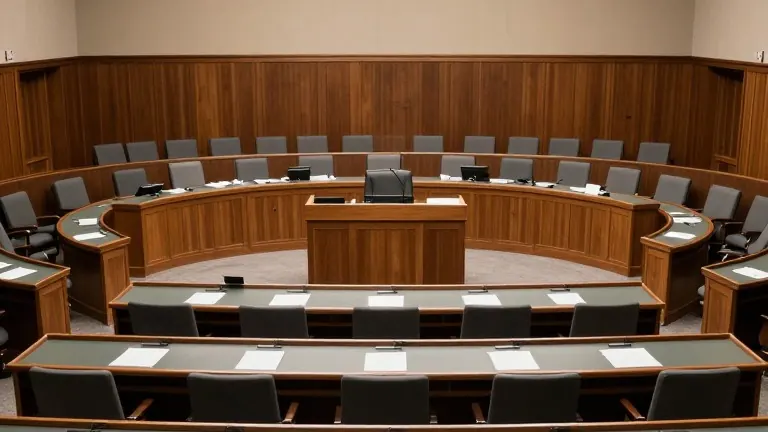
The U.S. Senate passed the Bipartisan American Affordability and Jobs Act on Thursday by a vote of 62 to 33. The legislation aims to accelerate the approval process for new data centers and power plants. Fourteen Democrats and one Independent voted in favor of the measure, joining most Republicans. The bill was drafted by two Democratic and two Republican senators. It now goes to the House of Representatives for consideration.
Energy prices in the United States have climbed faster than general inflation over the past five years. The cost of a kilowatt-hour increased by more than 6% in the last year. Over the last five years, that cost rose by 39%. This trend reflects growing demand driven by artificial intelligence and other digital infrastructure. Lawmakers cited these rising costs as a primary reason for seeking faster permitting for energy projects.
Senate Majority Leader John Thune stated the bill would cut through decades of red tape. He predicted the measure would save the average household hundreds of dollars each year. Thune also said Americans would see better roads, more domestic manufacturing, and better-paying jobs as a result. West Virginia Republican Sen. Shelley Moore Capito, a co-author, said the passage of permitting reform finally became reality. She described the vote as a major step toward addressing affordability concerns for the American public.
Rhode Island Democratic Sen. Sheldon Whitehouse, another co-author, said Americans would quickly see relief on their energy bills if the House follows the Senate's lead. Whitehouse noted the bill would require data centers to pay for the power they use. This provision addresses public pushback against data centers, which has cut across party lines. The measure seeks to balance the need for new energy capacity with consumer cost concerns.
Environmental groups and some Democratic senators voiced strong opposition to the bill. The Sierra Club and the National Wildlife Federation argued the legislation weakens environmental accountability. Many Democrats contended the bill would worsen pollution by making it easier to approve oil and gas projects. They also cited concerns that protections for clean air and water would be diminished. Washington Democratic Sen. Maria Cantwell warned against sacrificing the Clean Water Act, hunting grounds, and tribal sovereignty.
California Sen. Alex Padilla supported cutting red tape but expressed concern about tribal sovereignty and the state's environment. Oregon Democratic Sen. Jeff Merkley called the bill a bad deal. He argued it opens the gates to a flood of natural gas for data centers while leaving renewable energy transmission subject to obstruction. President Trump urged Congress to approve the bill in a recent social media post, calling it a big win for U.S. energy independence and dominance.
The bill includes provisions intended to speed up the construction of renewable energy projects and transmission lines. Climate change advocates argue this will allow the country to build more solar, wind, and battery projects. However, the final outcome depends on the House vote. The Senate passed the measure on Thursday, setting the stage for further debate in the lower chamber.
More Politics · Columbus news · Report a business · Got a Story?