South Africa's Pack Dominance Falters in 21-19 Paris Defeat
The Springboks won 100% of their scrum and lineout possession but lost to France due to backline errors and controversial refereeing decisions.
By Emily Brooks ·
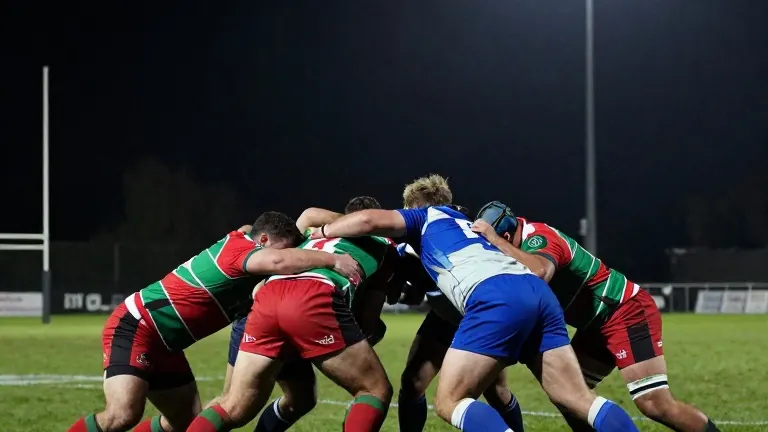
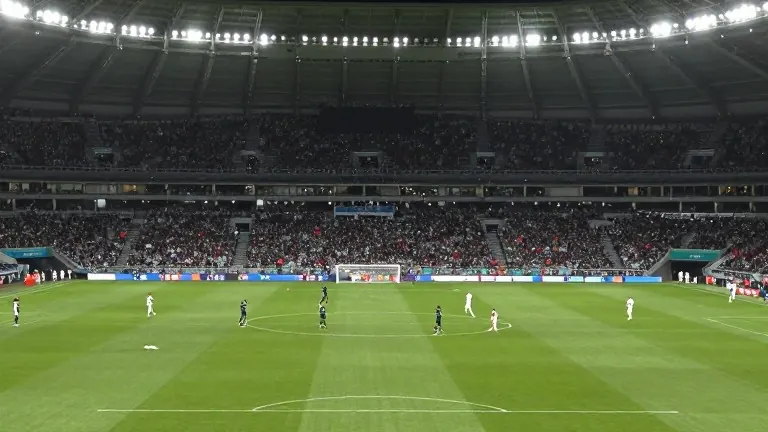
South Africa lost 21-19 to France in Paris despite winning 100 percent of their scrum and lineout possession. The double and reigning world champions conceded 12 unanswered points in the second half after leading the match. The defeat ended a run of success for the Springboks and offered a preview of their upcoming fixture against Ireland.
The South African pack performed effectively under scrum coach Daan, who has developed the set piece to a high standard. Head coach Rassie Erasmus made a pregame change, starting bench players in the front row and moving starters to the bench an hour before kickoff. The strategy yielded results as the team secured eight scrum penalties and two free kicks. French tight head Regis Montagne was sent to the sin bin for cumulative transgressions.
Referee Andrea Piardi faced scrutiny over several decisions, particularly regarding the application of final warnings. France appeared to infringe twice in quick succession in the final quarter after receiving a final warning, but the official did not penalize them immediately. South African number eight Japer Wiese was upgraded from a yellow card to a 20-minute red card after launching into the head and face of French centre Kalvin Gourgues. Lood de Jager received a yellow card for a tackle on Maxime Lucu, a decision that remained unchanged after review.
The Springbok backline struggled to maintain consistency, with scrumhalf Morne van den Berg, outhalf Sacha Feinberg-Mngomezulu, and fullback Damian Willemse appearing out of form. The team relied heavily on kicking the ball into the air, seeking clean catches or taps, rather than using the wider channels. Centers Damien de Allende and Jesse Kriel were exceptions, providing more stability in the attack. The backline also suffered from late personnel changes, switching from blind side to open side, which made their play predictable.
France utilized line speed to infiltrate the South African backfield, forcing hurried offloads and mistakes under pressure. The hosts demonstrated the effectiveness of playing the game at speed, a tactic that contrasts with the Springboks' tendency to overplay slow ruck ball. Ireland, who face South Africa next Saturday, observed these dynamics closely. The French defense also highlighted the difficulty of running into massed players around the breakdown, a challenge Ireland must manage to avoid similar penalties and yellow cards.
The match showed that while set piece dominance is a strong foundation, it is not sufficient to secure a victory without backline precision. South Africa scored two maul tries and came close to others, but their failure to convert possession into points allowed France to mount a comeback. The performance underscores the need for Ireland to find a way to neutralize the South African scrum and lineout, areas where the Springboks won every possession on the night.
More Sports · Dublin news · Report a business · Got a Story?