Army finishes detonating lead explosives at Iowa plant
A controlled blast at the Iowa Army Ammunition Plant in Middletown concluded Wednesday after multiple delays caused by legal challenges and weather concerns.
By Emily Brooks ·
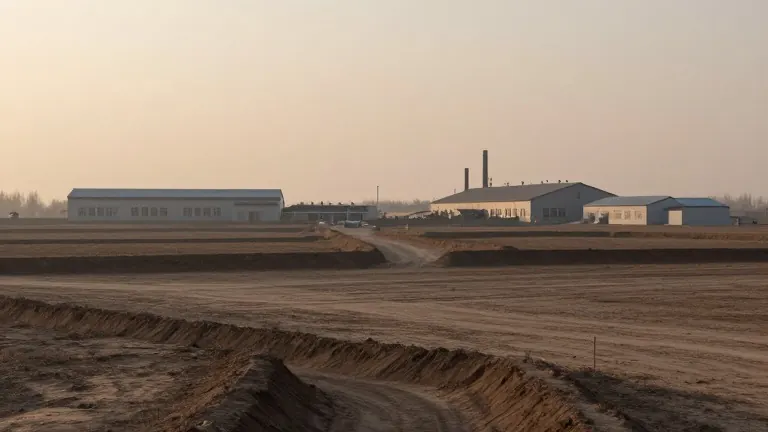
The U.S. Army completed the controlled detonation of more than 60 barrels of unstable lead azide at the Iowa Army Ammunition Plant in Middletown on Wednesday. The explosion disposed of roughly five tons of the material, which the military has used to ignite munitions since World War I.
The process was designed to remove a substance that had degraded over decades of storage. Army officials said the crystals formed inside the containers in recent years, making the lead azide highly sensitive to movement and temperature changes. This instability made it dangerous to move the material or open the containers without risking an accidental blast.
The timeline for the detonation shifted repeatedly. Initially scheduled for last Friday, the date was changed three times due to lawsuits filed by environmental groups seeking to block the blast. President Donald Trump instructed the Army to wait for court approval and the sign-off of Iowa Governor-elect Rob Sand on Monday. A federal appeals court cleared the way for the explosion later that same day.
Officials ruled out chemical treatment at a press briefing on Tuesday. Acting Army Secretary and leaders from the Federal Emergency Management Agency and the Bureau of Alcohol, Tobacco, Firearms and Explosives stated the munitions were too degraded for safer handling methods. They explained that the team had been working to build protective berms and monitor weather conditions while assessing the growing risk of an uncontrolled explosion.
FEMA advised residents within 20 miles southwest of the plant to stay indoors with windows closed to protect against airborne lead dust, noise, and vibration. Some residents voluntarily evacuated their homes. The agency stated it was reaching out directly to households in the highest risk areas to offer assistance with evacuation.
The Iowa National Guard deployed 100 soldiers to support local efforts and federal agencies. According to a statement from Governor Kim Reynolds, these troops helped with community outreach to 150 households in the affected area. Iowa Public Radio compiled maps released by the Army on Tuesday showing areas in southeast Iowa and northern Missouri that could be impacted.
Professor Andrew Whelton of Purdue University, who has experience with environmental disaster planning for the Army, criticized the communication strategy. He told NPR that the timing should have been planned better, citing the resulting anxiety and stress among residents. "Some farmers have said 'we cannot bring all of our cattle. We do not have the facilities for that,'" Whelton said.
Tom Croci of the Environmental Protection Agency said agencies focused on setting the right parameters to ensure the detonation happened in the most optimal environment. He noted that this involved back and forth discussions to confirm the conditions were safe. "So that was some of the back and forth to make sure that we had that right," Croci added.
Missouri Governor Mike Kehoe posted on X that initial analysis from federal partners and Iowa Homeland Security and Emergency Management indicated the mitigation measures were successful. He stated that the explosion was well-contained and that state agencies would continue monitoring efforts. The Centers for Disease Control and Prevention previously warned that children and pregnant women face the highest risks from lead exposure.
Whelton expressed concern about the long-term follow-through for toxic sampling and cleanup. He referenced past incidents like the East Palestine chemical spill and Los Angeles wildfire cleanup, noting that the government has a mixed track record with the long-term effects of toxic exposure. The detonation concluded Wednesday, ending a period of heightened tension for communities in Iowa and Missouri.
More News · Columbus news · Report a business · Got a Story?