Aurora Water warns residents of prolonged drought amid 38% reservoir levels
General Manager Marshall Brown stated that stage one restrictions will remain in place for another year as forecasts predict an average snow season rather than the heavy storms needed for recovery.
By Ethan Mitchell ·
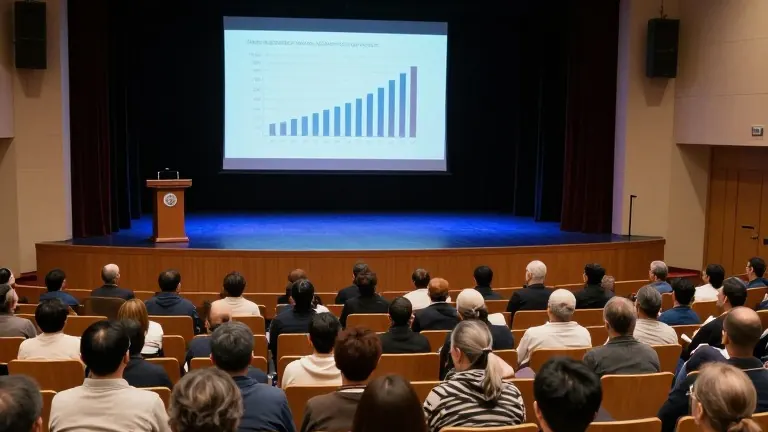
Aurora Water convened its inaugural State of Water meeting on Thursday night, bringing utility officials and local residents together to address the severity of the ongoing drought. The session served as a direct forum for the public to question the utility’s leadership on water availability and future conservation mandates.
The data presented by General Manager Marshall Brown painted a stark picture of the region’s current hydrological status. As of Wednesday, local reservoirs stood at 38 percent capacity, a level Brown described as poor. He noted that these levels are unlikely to rise in the immediate future and may continue to drop for several months.
Recovery requires a deviation from normal weather patterns. Brown explained that multiple major snow events are necessary to reverse the deficit. However, current forecasts indicate an average snow year, which is insufficient to restore supply. Consequently, stage one drought restrictions, including watering limits and surcharges, will persist for another year.
The utility identified landscaping as a primary driver of consumption, noting that such uses account for roughly half of the community’s total water supply. Much of this usage is attributed to Kentucky bluegrass. To mitigate this demand, Aurora is offering rebates to homeowners who convert their yards to drought-friendly vegetation.
Yvonne Gilstrap, a resident, expressed uncertainty about the long-term feasibility of maintaining traditional lawns. She stated that if the dry conditions last five to eight years, zero-escape landscaping might become a necessary adjustment rather than a temporary measure. Her comments reflected a broader community hesitation regarding permanent changes to outdoor spaces.
The meeting also addressed the water footprint of emerging industries. Brown clarified that data centers, if developed in Aurora, would require water only for an initial system fill. He assured residents that these facilities would not utilize water for their cooling processes after that initial phase.
Gregory Majersky, another attendee, argued that the current approach of temporary conservation and hoping for favorable weather is insufficient. He called for drastic changes in how the community manages its resources, suggesting that the current strategy of cutting back in lean times is no longer a viable long-term solution.