Dublin street overhaul centers on small apartments
City regeneration chief says one and two-bedroom units will dominate the plan for O'Connell Street and surrounding areas.
By Emily Brooks ·
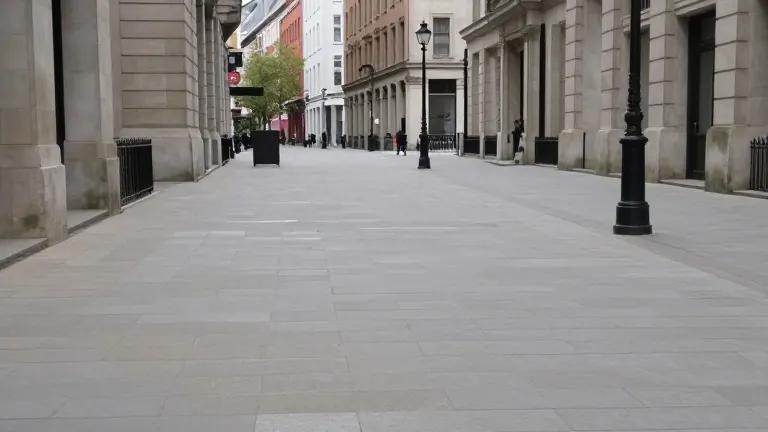
O'Connell Street in Dublin will be reshaped by a plan that prioritizes small residential units, according to the city's new development lead. The proposal aims to address vacancy and dereliction in the area by focusing primarily on housing.
Robert Watt, who has been appointed to lead the Dublin City Development Company, outlined the vision at an architecture conference held in Dublin at the end of November. The company is scheduled to be formally established in December. Its mandate comes from priorities set by city councillors and a taskforce report published two years ago.
Watt stated that the redevelopment will likely feature one and two-bedroom apartments. He predicted that residents would use these units as temporary homes before moving to other parts of the city to start families. The strategy includes adapting underused buildings and converting vacant structures for residential use.
The development chief identified the lack of state control over land as a previous failure. He argued that a developer-led approach had been insufficient for managing large sites. The new plan shifts responsibility to the state to actively assemble land and control redevelopment projects in key areas.
Specific attention will be paid to the Carlton site, which is located above the planned O'Connell Street MetroLink station. Transport Infrastructure Ireland purchased the land earlier this year. Watt noted that the site has stood empty for between 20 and 25 years, describing the long period of dereliction as a notable flaw in the city center.
Mixed-use master plans will guide the development of larger vacant parcels. The goal is to create a balance between living and working spaces, a feature common in other European cities where people often reside above their shops. Watt said Dublin has not successfully replicated that model in its core areas.
Delegates at the Value for Many conference, organized by the Office of Public Works, debated the suitability of the city center for family life. Some architects questioned whether small apartments would meet the needs of long-term residents. Watt acknowledged the need for discussion regarding the appropriate mix of housing types in the district.
Watt emphasized that the area has experienced difficult times and requires rejuvenation. He pointed to antisocial behavior as a barrier to attracting new residents. He said that a large percentage of Dubliners who live and work in the city feel afraid to visit O'Connell Street at certain times of day, a situation the new company intends to address.