MORPC lowers Central Ohio population forecast to 2.9 million by 2055
The new projection marks a drop from previous estimates and extends the timeline to 2055, drawing criticism from local analysts who argue the data was used to justify high-density development.
By Nadia Khalil ·
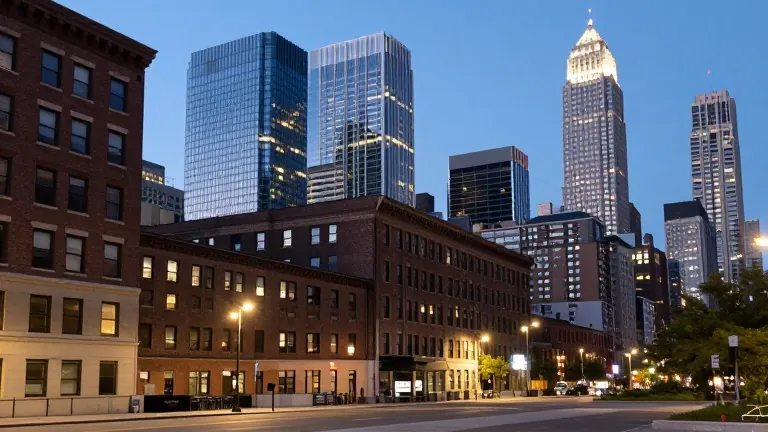
The Mid-Ohio Regional Planning Commission released a new long-term population forecast for the 15-county Central Ohio region on November 15, 2026. The commission predicts the area will have 2.9 million residents by 2055. This figure represents a reduction of 250,000 people from the commission's earlier 2023 estimate of 3.15 million for the year 2050.
MORPC also extended the projection timeline by five years, moving the target date from 2050 to 2055. The new report includes a lower bound scenario that suggests the population could dip to 2.7 million by that date. A representative from the commission noted that the updated numbers reflect current demographic trends and migration data. The region currently has approximately 2.54 million residents. To reach the projected 2.9 million by 2055, the population would need to grow by roughly 13,800 people per year.
Local critics argue that MORPC has consistently overestimated growth in recent decades. The 2018 Insight 2050 plan projected 3 million residents for 2050. The new 2055 figure is 100,000 people less than that 2018 estimate. Critics point out that the commission's previous high numbers were used to justify aggressive urban development policies. They claim the inflated figures created a sense of urgency around building high-density housing in prime central city locations.
Zoning attorneys and housing non-profits have cited MORPC data in debates about the Columbus Way agenda. Developers have used the projections to support new Zone In policies that allow higher density in specific neighborhoods. Critics say these projects target the labor pool for institutions such as Ohio State University, healthcare providers, and corporate offices. They argue that the resulting high-end apartments do not address the affordable housing crisis but instead serve existing institutional employers.
U.S. Census data from 2019 to 2025 shows a different pattern for the city of Columbus itself. The city's population fluctuated during this seven-year period. It peaked at 12,694 new residents in 2024 and dropped to a loss of 3,234 residents in 2021. The average annual growth over those seven years was 5,737 residents. Critics describe this rate of growth as modest compared to the rapid expansion implied by the 2023 MORPC projections. They contend that the city's actual numbers do not support the narrative of an incoming wave of residents.
The discrepancy between the commission's historical forecasts and current data has fueled debate over land use in Franklin County. Municipal leaders continue to rely on regional projections to plan infrastructure and zoning changes. The new 2055 estimate provides a lower baseline for future planning cycles. It aligns more closely with the modest growth rates observed in the city's census data over the last decade.
More Politics · Columbus news · Report a business · Got a Story?