Cincinnati pharmacy sends free medications to clinics across Ohio
A network is redirecting unused drugs from nursing homes to 12 free clinics in cities including Dayton, Canton, and Toledo.
By Nadia Khalil ·
A charitable pharmacy in Cincinnati is now distributing free medications to clinics across Ohio through a new statewide sharing system. The program redirects drugs that would otherwise be discarded to free clinics in Dayton, Canton, and Toledo. Rusty Curington, vice president of pharmacy at the St. Vincent de Paul charitable pharmacy, said the initiative addresses a dual crisis of excess waste and high demand.
The St. Vincent de Paul pharmacy has filled more than one million prescriptions free of charge over the last two decades. Curington noted that patients often face difficult financial choices, such as deciding whether to buy medication for a grandparent or pay for a child's tuition. He described these as devastating decisions for community members.
Surveys by the nonpartisan health policy group KFF indicate that six in 10 U.S. adults worry about affording prescription drug costs. This financial pressure can lead patients to skip doses or stop taking medication entirely. The new network aims to reduce these barriers by providing essential drugs at no cost.
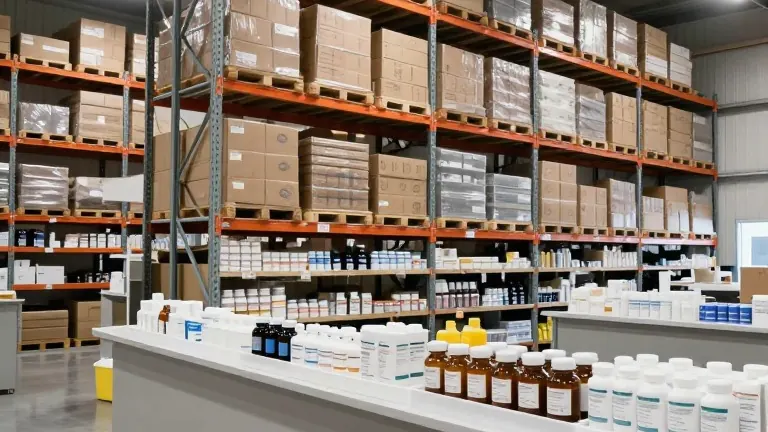
Billions of dollars worth of medications are wasted annually. Long-term care facilities often discard unexpired blister packs when patients improve or pass away. Curington said the pharmacy has transformed a former thrift store into a repository holding about $9 million worth of donated medication.
Behind the pharmacy's walk-up counter, clothing racks have been replaced with shelves of medicine. Donations come from nursing homes and individuals. Jenelle Hoseus, CEO of the Charitable Healthcare Network, said what began as a pilot in Cincinnati has expanded to serve free clinics statewide.
Organizations can access an online portal once a month to see available inventory. They then order medications as needed for their specific patients. This system allows the warehouse to function as a sharing hub for the state's healthcare safety nets.
Donated medications are inspected by pharmacists to ensure they have not been tampered with or exposed to moisture. Technicians then sort the pills by expiration date. The majority of distributed drugs manage chronic conditions, but the network also fills urgent needs for blood thinners, inhalers, and insulin.
Hoseus said access to blood pressure pills and antibiotics reduces expensive emergency room visits and hospital stays. Currently, about 20% of the nearly 60 free clinics in the network participate. Barriers to wider participation include workforce capacity, as the network relies heavily on volunteers.
The network is seeking grants to hire more pharmacists for distribution sites. Curington hopes to expand coverage as Medicaid changes threaten to leave more Ohioans uninsured. He said lack of medication access creates a domino effect where people cannot work, retire early, or face untreated health conditions.
Nicole Lowe, a nurse in Dayton, uses the program to manage her own diabetes. She works a job without health insurance and could not afford the $700 monthly cost of her medication. The local free clinic now provides the drug at no cost through the resource-sharing program.
More News · Columbus news · Report a business · Got a Story?