Ohio Prisons Raise Animals For Wildlife Rescue
About 200 incarcerated people in five Ohio facilities care for orphaned animals through a partnership with the Ohio Wildlife Center.
By James Anderson ·
The Ohio Reformatory for Women in Marysville raised more than 300 rabbits this year. Ten women fed the animals twice a day, took them outside, and filed paperwork. Some shifts ran from 5:30 a.m. to 8:30 p.m. The rabbits that enter the program have a 90% survival rate.
The Ohio Wildlife Center takes in roughly 8,000 animals a year, mostly orphaned babies. The central Ohio nonprofit works with the Ohio Department of Rehabilitation and Correction to place animals in prisons. Ohio Wildlife Center spokesman David Donahue said the partnership began about three decades ago, and its current form started in 2021. About 200 incarcerated people across five facilities now care for animals.
Each facility handles one species. Richland Correctional Institution houses opossums. Marion Correctional Institution handles songbirds. The Marysville reformatory cares for rabbits. Donahue said limiting each site to one species simplifies security approvals for supplies and lets participants gain deep experience with a particular animal. He calls it "rehabilitation on both sides." Emily Stahl, energy and conservation sustainability administrator for the Ohio Department of Rehabilitation and Correction, said the work builds empathy. "There's a lot of similarities between these animals and our incarcerated population. And so, there's a lot healing that goes on in this program," Stahl said.
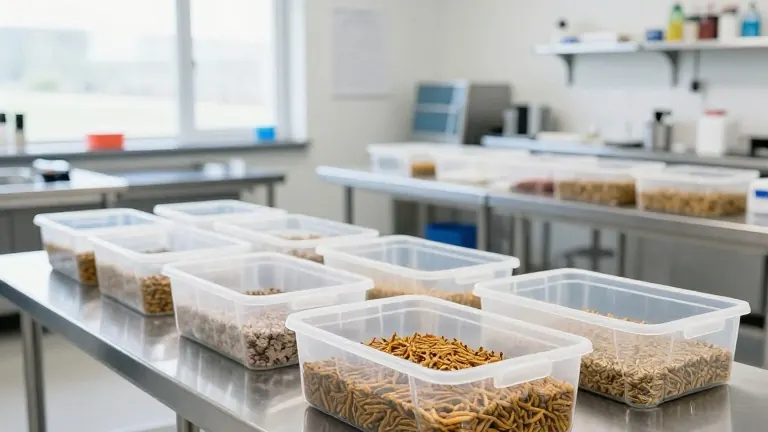
Emily Bush has spent four and a half years at the Marysville reformatory on child endangering and illegal manufacturing drug charges. She breeds mealworms to feed reptiles and birds at the Ohio Wildlife Center and helps tend the rabbits. Smallest arrivals weigh 47 to 50 grams. Women feed them formula by syringe until they reach about 90 grams, then kale. Bush said the women return rabbits to the center in two and a half to three weeks. "One rabbit is like caring for 20 children," Bush said. Flooding in March pushed bunnies from their burrows early, and the rabbit season began sooner than the usual early April start. All the bunnies had left the prison by October.
Bush has a son and said the work strengthened her motherly instinct. "It's taught me my worth. It's taught me how to stay on my game," she said. Stahl said the department will begin a rehabilitator certification through the Ohio Wildlife Rehabilitators Association in the next month or so. Bush can earn certification before her release in early 2027. Stahl said prisons in the program will also add two-year animal rehabilitation apprenticeships with the Ohio Department of Labor. Bush plans a career in animal rehabilitation and said she told her grandmother she would turn the family barn into a mealworm operation. "This is what I'm gonna do when I come home," she said.
More News · Columbus news · Report a business · Got a Story?