Salmon Shortages Drive Conflict in Alaska Senate Race
Indigenous communities in western Alaska point to industrial trawling as the cause of declining fish runs, a debate now central to the fight between Dan Sullivan and Mary Peltola.
By Emily Brooks ·
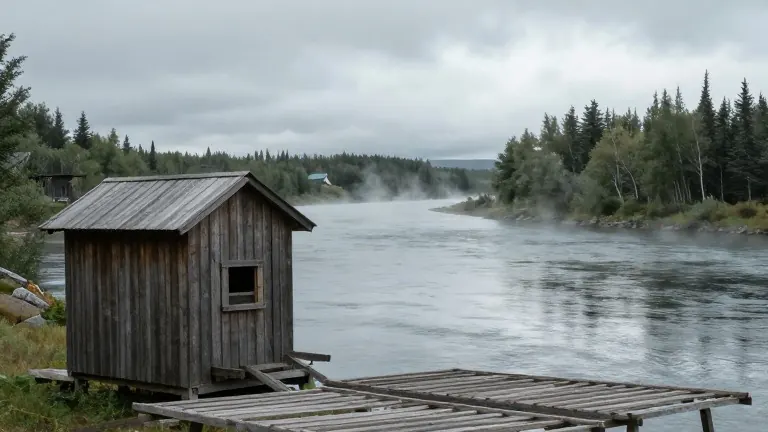
Residents of remote villages in western Alaska face a diminished food supply this year as salmon runs to the Kuskokwim River drop. The shortage has transformed a subsistence crisis into a central issue in the state's tight U.S. Senate race. For families in communities like Kwethluk, the absence of fish affects daily life and cultural practices.
Evon Waska, who lives at the water's edge where his parents settled, describes his drying racks as empty. He attributes the decline to industrial trawlers operating miles offshore in the Bering Sea. These vessels use sock-shaped nets that are a quarter mile long and as wide as a football field to catch pollock. While the pollock is sold commercially, prized king salmon are often caught by accident and discarded. This waste, known as bycatch, has drawn sharp criticism from local fishermen who feel forced to close their own rivers to conserve stock while offshore fleets continue to operate.
The conflict has entered the political arena as Republican Senator Dan Sullivan and Democratic challenger Mary Peltola campaign for the seat. Sullivan, a long-time ally of the pollock industry, is promoting new legislation aimed at reducing bycatch. He describes the bill as the most comprehensive measure yet to protect seafloor habitat. Peltola, an Indigenous representative from the Kuskokwim region, argues that Sullivan has relied on out-of-state corporate money. She states that Sullivan reeled in over $300,000 from trawlers and only proposed a solution in the final hours of the legislative session. Peltola proposes banning factory trawlers, the largest vessels in the pollock fleet.
Heather Mann, who leads a trawlers association, disputes the idea that the pollock fishery is solely to blame. She notes that even if pollock fishing ceased entirely, scientific data suggests the impact on salmon runs would be minimal. Trawlers report catching 40,000 Alaska salmon this year, a small fraction of their total harvest. However, in villages where subsistence fishing is the main occupation, the waste is a source of deep frustration.
Tribal president Mary Nikolai observed a neighbor's cold smokehouse in Kwethluk that had been unused all summer. She described the scene as a slow trend that is closing out the local workforce. The debate over fish management continues to dominate political advertisements and public discourse in the state ahead of the election.
More Politics · Columbus news · Report a business · Got a Story?