8,791 vehicles now move 181,000 students daily as Irish school transport scheme expands
Department of Education briefing to the Dáil Public Accounts Committee reveals preliminary pilot data and cost growth.
By James Anderson ·
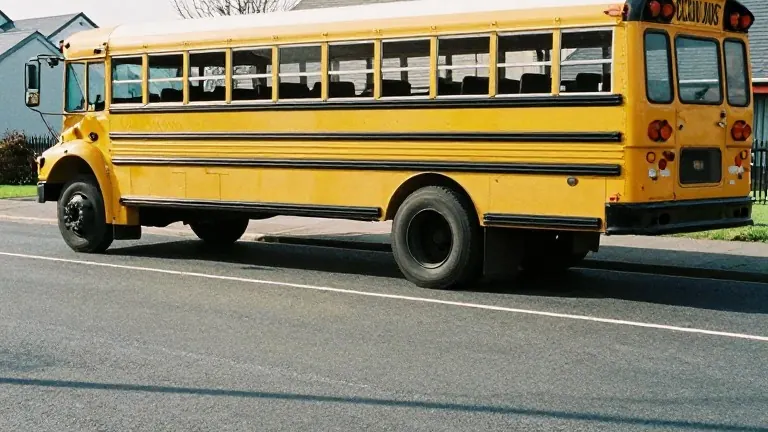
Approximately 8,791 vehicles operated across more than 11,000 routes to transport 181,000 children and young people to nearly 4,000 schools at the end of the last school year.
The Department of Education provided these figures in a briefing document submitted to the Dáil Public Accounts Committee. The report assesses the progress of the government’s plan to integrate school and public transport services over the next five years.
Preliminary analysis of 25 pilot projects indicates strong potential for combining school and public transport. These pilots began during the 2024/2025 school year and continue into the 2026/27 academic year. An evaluation of the 2025/2026 pilot data is currently underway.
The department stated that the expansion aims to carry an additional 100,000 pupils by 2030. This would bring the total number of children and young people on the scheme to 260,000. Currently, only 18 percent of school pupils avail of the service.
Ridership numbers have risen from approximately 160,000 in the 2023/24 school year to 181,000 in the 2024/25 school year. This increase includes about 2,000 pupils facilitated across the 25 pilot project areas. The document notes that this represents a 58 percent increase in total journeys since 2020.
The report highlights that over 130,000 of these pupils meet mainstream eligibility criteria. A further 50,000 non-eligible, or concessionary, pupils are also being facilitated. The department notes that while the total number of school-going children is declining, the prevalence of special educational needs is increasing.
Financial resources for the scheme have grown substantially. Expenditure more than doubled over a six-year period, rising from over 200 million euros in 2018 to 537 million euros in 2025. This increase reflects the growth in the number of children served and inflationary pressures associated with drivers and vehicles.
Despite rising fees compared to recent years, the service remains heavily subsidized by the Exchequer. Restored fee levels in 2027 will result in 92 percent subsidization for primary school students and 75 percent for post-primary students. The department stated that implementing changes will take time due to financial and resource considerations.
The briefing document acknowledges ongoing issues with driver and vehicle shortages. It describes the integration with public service transport as complex, citing the need to meet the specific needs of children while maintaining a high-quality service. The department considers a phased approach prudent to achieve value for money for the Exchequer.