
Columbus psychologist explains why some adults keep horror movie frights for decades
Research on highly sensitive people suggests emotional processing depth determines how long scary images remain in the mind.
By Nadia Khalil ·
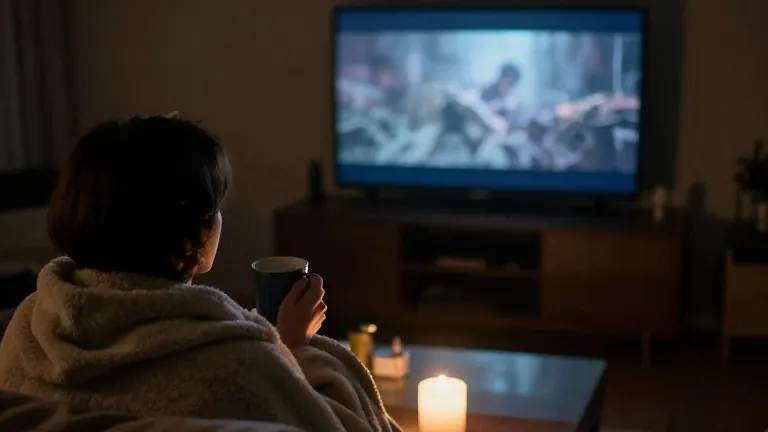
Psychologist Aoife Durcan says a specific trait called greater depth of processing explains why some adults remain haunted by horror films decades after viewing them. She notes that individuals with this trait continue to reflect on disturbing imagery long after the credits roll. This ongoing reflection allows the fear to persist rather than fade. For many viewers, the experience of watching a scary movie is brief and temporary. For others, the emotional impact lingers for years.
Durkan specializes in supporting highly sensitive people. She explains that when these individuals are exposed to particularly disturbing visuals, their minds work harder to make sense of what they saw. The processing does not stop when the screen goes black. Instead, the brain continues to analyze the trauma. This creates a lasting impression that is difficult to shake. The result is a prolonged period of anxiety or discomfort.
The author of a recent essay illustrates this phenomenon with a personal anecdote from twenty years ago. At age 18, the author watched the film Hostel. The plot involved three American backpackers being tortured in Slovakia. Despite trying to hide in a reclining chair, the author remembers specific scenes with alarming clarity. Images of gouged eyeballs and severed fingers remain firmly lodged in their memory. The author admits they still do not feel old enough to watch that film.
Earlier experiences reinforced the author's sensitivity to horror. At age 13, the author watched The Texas Chainsaw Massacre with a friend. The friend fell asleep during the movie. The author spent the night trembling in fear. This contrast highlights how differently people process the same content. Some viewers switch off immediately after the movie ends. Others, like the author, feel the fear for a much longer period.
The author struggled with a belief that fear is mainly for children. Many adults feel they should rationalize scary movies as just entertainment. The author wanted to feel the same rush as their friends. They feared being seen as an anomaly who overthought every scenario. This social pressure led the author to endure hours of on-screen torture. They hoped to eventually become less sensitive to the genre.
However, the author has since embraced a different approach to Halloween. They now recognize that pushing through distress is not necessary. If a movie feels too frightening, it is acceptable to avoid it. The author prefers watching lighter films like Hocus Pocus or Goosebumps. They enjoy carving pumpkins with friendly faces and drinking warm beverages. This choice allows them to participate in the holiday without enduring intense fear.
Durkan’s insights provide a scientific basis for these preferences. The concept of a sticky mind describes how some people cling to ideas and images. This trait does not disappear with age. It requires self-awareness to manage. Knowing that one processes emotions more deeply allows for better choices. Viewers can select content that matches their comfort level.
The upcoming holiday season offers many opportunities for people to watch horror films. The choice to watch or skip a movie is a personal one. Understanding the mechanics of fear can help adults make informed decisions. There is no single correct way to experience Halloween. Some seek thrills, while others seek comfort. Both approaches are valid. The key is to acknowledge how one processes emotional experiences.