Data Center Plan Threatens West Virginia Dark Skies
A proposed 785-megawatt facility near Davis could increase sky glow by 528 percent, sparking local opposition and legal battles.
By Ethan Mitchell ·
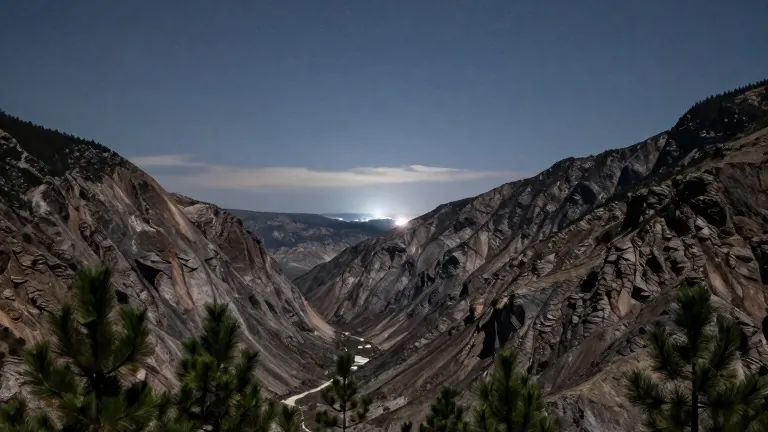
An analysis by the Northern Virginia Astronomy Club projects that a new data center project near Davis, W.Va., could increase sky glow near Blackwater Falls by 528 percent. The study suggests the rural night sky would resemble a suburban area if the Ridgeline facility moves forward as planned. This finding has intensified concerns among residents who rely on the region’s dark skies for tourism and recreation.
Fundamental Data LLC, a company based in Purcellville, Va., is developing the Ridgeline project. The plan includes a 785-megawatt generating plant that would primarily use natural gas with diesel as a backup. The initial footprint covers 291 acres on a reclaimed coal-mining site in Tucker County. The company states the project is designed to support artificial intelligence, cloud computing, and enterprise systems. Casey Chapman, listed in court documents as the company’s responsible individual, noted that if fully developed, the facility would span thousands of acres.
Local officials and residents say the project threatens the environmental recovery of the Monongahela National Forest. Kim Williams, president of the Snow Sports Museum of West Virginia, described the area’s history of logging and mining that stripped mountainsides bare. He said the data center plan feels like a return to those extractive industries. Nikki Forrester, a spokesperson for the opposition group Tucker United, argued that the state removed regulatory guardrails by passing a bill exempting such facilities from local zoning restrictions.
West Virginia Gov. Patrick Morrisey signed the bill in April 2025 after opponents failed to gather enough support for a veto. The legislation allows high-impact data centers to bypass county or municipal rules on lighting, noise, and land use. John Deskins, director of the West Virginia University Bureau of Business and Economic Research, said data centers offer a good economic opportunity if proper procedures are followed. He emphasized the need to manage noise, water, and environmental pollution carefully. The state ranks among the poorest in the country and has lost population since 1950, making economic development a priority.
Opponents have challenged the project’s air-quality permit in court. Tucker United, the West Virginia Highlands Conservancy, and the Sierra Club dismissed their appeal in August on jurisdictional grounds. They plan to take the case to the state Supreme Court. A commissioned analysis found the plant could cause between $19 million and $35 million a year in health-related damages and premature deaths. Chapman countered that the company will operate within permit limits and that safety requires 24-hour lighting for crews.
Chip Chase, who runs the White Grass Ski Touring Center, said people come to the region for peace and dark skies. He described the area as Vermont with Southern hospitality. Gary Berti, a retired homeowner in Davis, noted that West Virginia has a history of industries leaving the area behind after extraction. He questioned whether the new project would provide the promised 500 permanent jobs. Fundamental Data projects thousands of temporary jobs and around 500 permanent positions in IT, electrical, and cooling systems.
More News · Columbus news · Report a business · Got a Story?