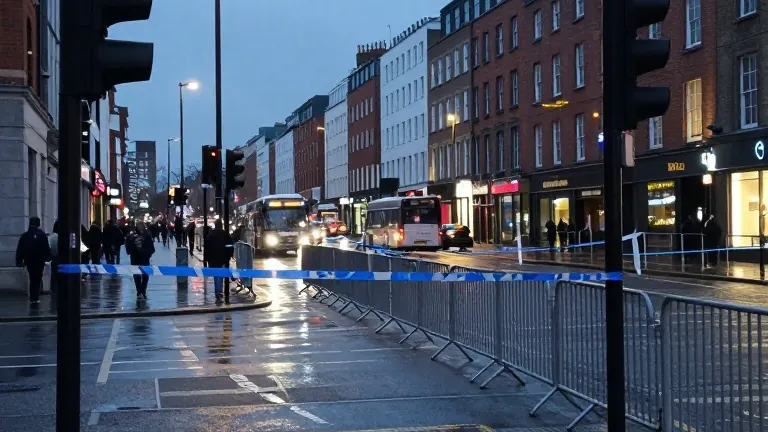
Government proposes uniform rules for e-bike fleets to stop pavement chaos
Ministers plan a national consultation to standardize parking and riding rules, replacing inconsistent local agreements with centralized oversight.
By Emily Brooks ·
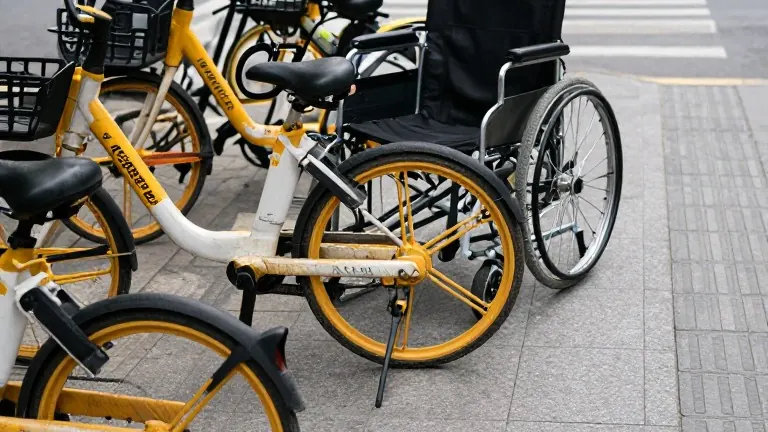
The Department for Transport will launch a consultation to create national standards for shared e-bike services.
The initiative aims to replace the current patchwork of local agreements between rental companies and councils with a consistent framework. This move responds to widespread complaints about blocked pavements and unsafe riding habits. The government argues that the lack of central oversight has created operational problems as these services expand.
Shared e-bike schemes have grown rapidly since their arrival in the UK in 2018. Lime is the largest operator in the market, with Forest and Voi also active in major cities. One estimate suggests that more than 2.6 million Britons used these services during the year ending in September 2025. The schemes attract a diverse user base because electric assistance lowers the physical barrier to entry and users do not need secure storage for personal bicycles.
Current parking rules vary by area. Some locations require bikes to be returned to designated bays, while others have looser restrictions. Obstructions on sidewalks have drawn particular criticism from wheelchair users, parents with pushchairs, and people with impaired vision. The consultation will address these issues while also examining antisocial riding, such as passing red lights and underage or drunk operation.
Ministers will consider guidance on fleet sizes to prevent excessive concentrations of bikes in specific neighborhoods. They will also explore insurance requirements for operators. This would allow individuals struck by a hired e-bike rider to seek direct compensation. Additional questions include whether councils should have authority over rental charges and whether operators must share data to support enforcement and transport planning.
Prime minister Andy Burnham described the changes as a small but important everyday fix to make streets safer. He stated that e-bikes could make travel easier, provided that pavement obstructions and irresponsible use are addressed. Transport secretary Heidi Alexander said shared schemes have reduced emissions and encouraged activity. She emphasized that these systems must work for the communities hosting them, giving local leaders the tools to manage nuisance parking.
Separate work in London will transfer powers from the department to mayor Sadiq Khan and Transport for London. This change seeks to unify rules that currently differ across boroughs. Khan welcomed the plans, noting that rapid growth created challenges regarding safety, parking, and data access. He said he had sought powers to manage dockless schemes since the first services arrived in London in 2017.