Re-evaluation of Shelley Duvall's role in The Shining shifts focus from Jack Nicholson
New analysis suggests Duvall's performance provided the realistic anchor for the 1980 horror film, countering the comedic tone of Nicholson's portrayal.
By Emily Brooks ·
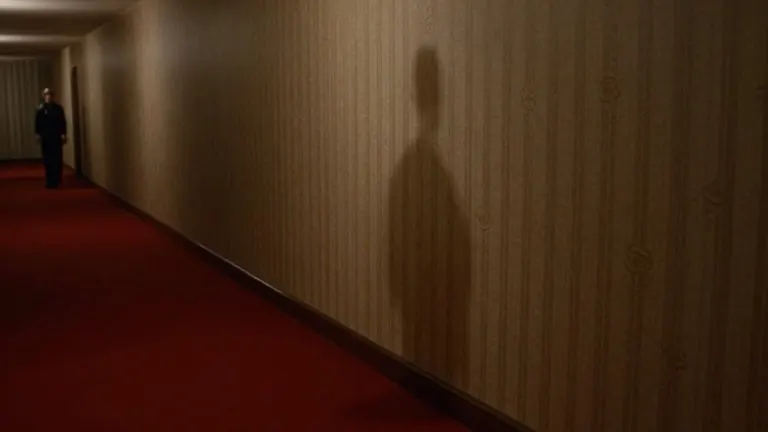
A new assessment of Stanley Kubrick's 1980 film The Shining argues that Shelley Duvall, not Jack Nicholson, was the primary actor carrying the movie. The perspective offers a fresh look at the classic horror title as viewers prepare for another Halloween season. The analysis suggests that Duvall's subtle performance grounded the narrative in reality, even as Nicholson's Jack Torrance leaned into exaggerated, B-movie monster behavior.
Duvall died in 2024 at the age of 75. She was in her late 20s when she filmed the role of Wendy Torrance, a part based on Stephen King's novel. During production, she endured a demanding schedule of retakes directed by Kubrick and acted opposite Nicholson. The process left her emotionally drained. Her performance initially received mixed reviews and even earned her a nomination for a Razzie Award, a distinction that was later rescinded.
The new reading of the film characterizes Duvall's Wendy as a proto-action hero rather than a passive victim. While Jack is the official caretaker of the Overlook Hotel, the film shows Wendy managing the heating system, communicating with forest rangers, monitoring weather conditions, and preparing meals. This competence becomes central to the plot as Jack's behavior deteriorates.
Nicholson's performance, which premiered nearly 46 years ago, is described as fun but somewhat clownish in hindsight. His character smacks his lips, leers at the camera, and delivers catchphrases with relish. The analysis argues that it is difficult to find the character scary without Duvall playing her role perfectly straight. Her portrayal anchors the sense that the events are happening in the real world with genuine stakes.
The character of Wendy faces a realistic form of horror before the supernatural elements fully take over. Her husband is an unemployed former teacher and aspiring author suffering from writer's block and alcoholism. He dislocated their son Danny's shoulder in a drunken rage. Duvall portrays a woman afraid of the man sleeping in her bed, making the situation terrifyingly plausible.
As Jack begins to change, Wendy grows wary and keeps a closer eye on Danny. She arms herself with a baseball bat. When Jack transforms into a shambling ogre, Wendy is terrified but prepared to fight. In their first physical confrontation, she knocks him out cold. She then drags his body down a flight of stairs and locks him in a freezer.
The film's script, co-authored by Diane Johnson, sets up the expectation that Danny's supernatural powers or the character Dick Hallorann will save the day. Instead, the narrative relies on Wendy's actions. A year after Sigourney Weaver played the hero in Alien and four years before Linda Hamilton portrayed Sarah Connor in The Terminator, Duvall's performance established Wendy as a warrior battling the haunt.
The final scenes of the film show Nicholson's Jack shouting threats, smashing doors, and murdering Hallorann with an axe. Despite his noisy show, he never manages to lay a hand on his wife or son. Duvall's character stays one step ahead of him until the end. The analysis encourages viewers to rewatch the final scenes to observe this dynamic.
More Culture · Columbus news · Report a business · Got a Story?