Pakistan Resumes Limited Trade With Iran as Border Security Crisis Deepens
Cargo movement has restarted at two crossings in Balochistan after a nine-day halt, but new paperwork rules and ongoing attacks complicate the flow of goods.
By Nadia Khalil ·
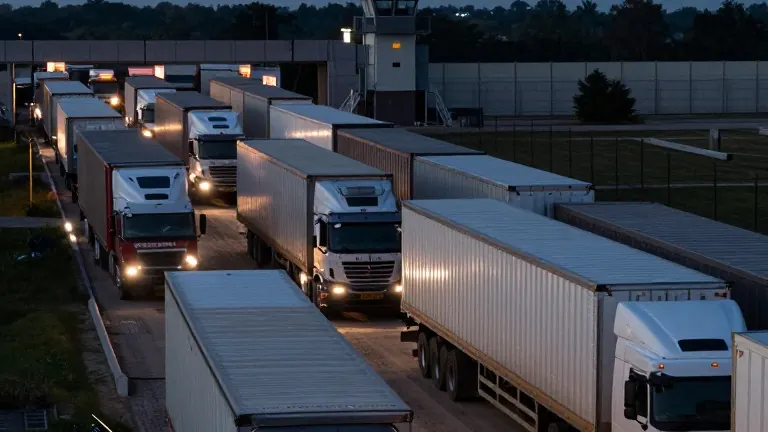
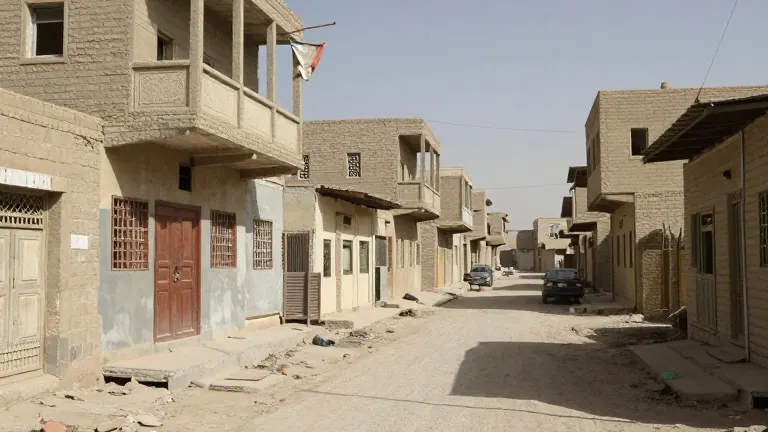
Trade between Pakistan and Iran has partially restarted after Islamabad suspended cargo traffic on October 17 over security concerns. While some goods began moving on Monday, the reopening remains incomplete due to disputes over import documentation and lingering security threats in Balochistan province.
Mir Naveed Jan Kalmati, president of the Gwadar Chamber of Commerce and Industry, confirmed that trade resumed partially over the weekend. Border officials cleared consignments dated October 16 or earlier, allowing previously stranded vehicles to proceed. Haji Noor Muhammad Shahwani, central president of the Balochistan Goods Truck Owners Association, reported that Pakistani exports such as rice and bananas were crossing into Iran. He also noted that trucks loaded in Iran before the closure, including those carrying liquefied petroleum gas, were slowly entering Pakistan.
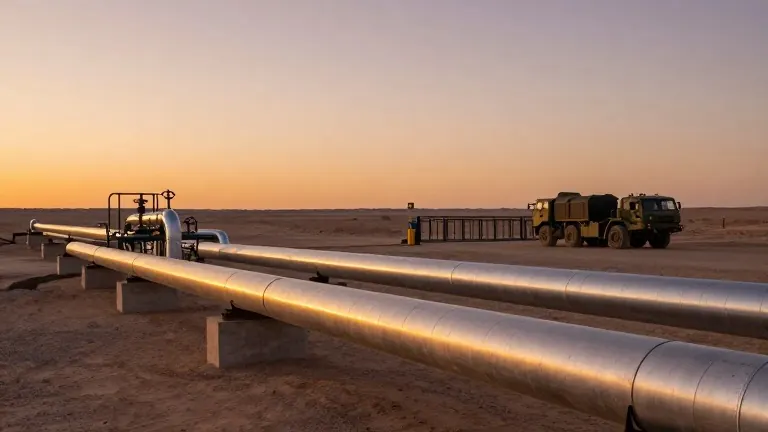
The suspension of Iranian liquefied petroleum gas shipments had caused severe shortages and price spikes in Pakistan, which imports most of its energy from the Middle East. Rizwan Ahmed, a customs clearing agent near the Gabd-Rimdan crossing, said customs authorities instructed agents to file declarations for stranded trucks to release them. Ahmed stated that his own consignment of rice, potatoes, and bananas had just departed, though he did not clarify if the clearance applied to goods loaded after October 16.
Iran argues that changes to Pakistan's import paperwork are blocking its exports. Reza Amiri Moghadam, Iran's ambassador to Pakistan, wrote on X on Sunday that no restrictions were placed on Iranian exports, but changes to Pakistan's E-Form procedure made it impossible for traders to dispatch cargo. He stated that consultations between the two countries were under way. A memorandum from Pakistan's Commerce Ministry, dated October 16, withdrew a previous waiver for the E-Form, a system designed to record imports and bank payments, effective immediately.
Security remains a central factor in the border dynamics. Gunmen attacked trucks waiting near the Gabd crossing on Thursday, killing 10 attackers and one civilian in subsequent military operations. Balochistan accounted for 131 of the 225 armed attacks recorded nationwide in September, the highest monthly national total in 12 years according to the Pakistan Institute for Conflict and Security Studies. Bakhtiar Ismail, the deputy commissioner of Chagai, described the closure as a temporary measure to improve border management and support counterterrorism efforts.
The move has raised questions about external influence. Pakistan has mediated between Washington and Tehran since the US-Israel war on Iran began in February, during which the US imposed a naval blockade and economic sanctions. Imtiaz Baloch, a security analyst, said the US policy of maximum pressure likely influenced the decision, either directly or through banking channels. He assessed that security, technical glitches, and the banking system all played a role in the closure.
Sajjad Haider Khan, spokesman for Pakistan's Ministry of Foreign Affairs, said the country adheres to all applicable sanctions regimes. He stated he did not have direct knowledge of the ground situation and did not confirm whether the US pressured Pakistan over the closure. The Ministry of Commerce did not respond to requests for comment regarding the new procedures.
Source: Al Jazeera