1,500-word gap: Writer Róisín Ní Dhomhnaill links housing crisis to Irish arts
The Dublin-based author argues that affordable housing in Gaeltacht regions is the most critical factor for the future of the Irish language in the arts.
By Emily Brooks ·
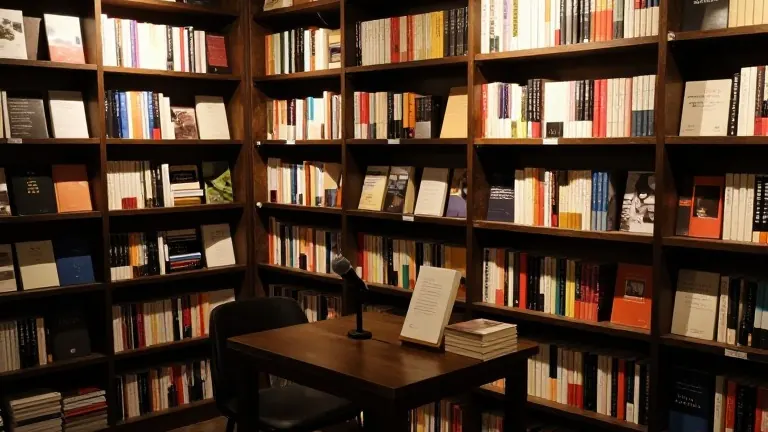
Róisín Ní Dhomhnaill, a Dublin-based writer and founder of Salon Rógaire, has identified the housing crisis as the primary barrier to the development of the Irish language in the arts. In an interview with The Irish Times, she stated that addressing the housing emergency in Gaeltacht regions is the most important step for the language's future.
Ní Dhomhnaill, who moved back to Dublin after a long period abroad, cited the work of poet Doireann Ní Ghríofa as a key reason for her return. She described Ní Ghríofa's book, A Ghost in the Throat, as a tool that helped her relearn about Ireland and her own culture. She also highlighted the work of visual artist Tracey Emin and the company THISISPOPBABY, noting that she attended the show Wake and Emer Dineen's 0800 Cupid twice.
The Salon Rógaire, which Ní Dhomhnaill started nearly two years ago, is a bilingual and queer literary salon. She received funding from Dublin UNESCO City of Literature to host a special salon on November 7. The event is part of her ongoing efforts to support a vibrant local writing community.
Ní Dhomhnaill credited a 2002 note from poet Yrsa Daley-Ward for giving her courage during a difficult transition in her life. She was 24 at the time, had just broken up with her boyfriend, and had moved to New York. Daley-Ward wrote the note in a poetry book during a signing event in New York.
The writer currently lives in Dublin and spends her creative breaks by listening to conversations around her and attending various shows. She recently attended the Hedge School event at the Daylight venue and viewed an exhibition at Pallas in Dublin 8. She also completed a writing course at the Irish Writers Centre with June Caldwell.
Her next scheduled event is the special Salon Rógaire session on November 7, funded by the UNESCO city program. She plans to continue her work in New York and Dublin, focusing on the intersection of language, housing, and artistic production.
Source: The Irish Times · original report published
More Culture · Dublin news · Report a business · Got a Story?