Aldi expansion to reach 3,000 U.S. stores by 2028
The German retailer plans to become the second-largest grocery chain in America, relying on limited inventory and private label goods to keep prices below competitors like Walmart and Kroger.
By Emily Brooks ·

German retailer Aldi plans to operate more than 3,000 locations in the United States by the end of 2028. This expansion would make Aldi the second-largest grocery chain in the country, behind only Walmart. The company generated approximately $29 billion in U.S. sales in 2024, surpassing the revenue of Trader Joe's. The growth strategy relies on a model established 80 years ago that prioritizes low prices through strict cost control and limited product selection.
Aldi's pricing strategy has forced major competitors to lower their own markups. Grocers such as Wegmans and Kroger have announced defensive price reductions in response to the chain's presence. An analysis published in late 2023 regarding Lidl, a similar German grocer, found that grocery chains reduced their markups by roughly 7 percent in areas where Lidl stores opened. Deena Shanker, a food reporter, stated that after months of comparison shopping, Aldi either matched Walmart prices or was slightly cheaper.
The company achieves these low costs by selling more than 80 percent private label products. These items, often referred to as dupes, mimic popular national brands without the associated marketing and distribution markups. Aldi shelves carry Benton's Chocolate Sandwich Cookies and Savoritz Golden Round crackers, which resemble Oreos and Ritz crackers. By manufacturing its own goods, Aldi avoids paying the premiums attached to established brand names.
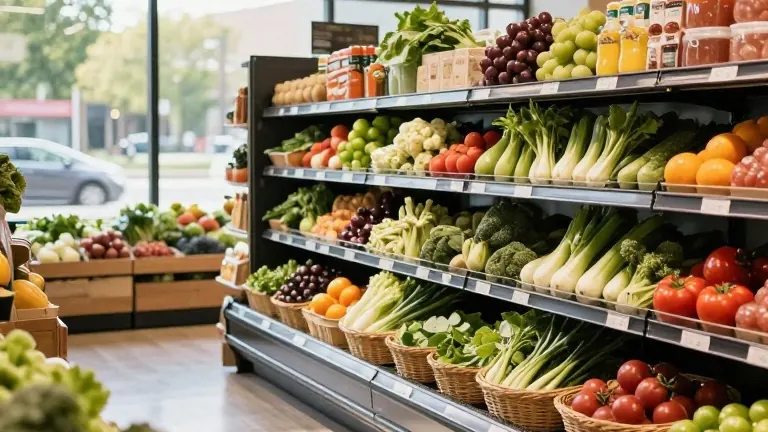
Store operations are designed to minimize labor and real estate expenses. Stores do not play background music to save on licensing fees and hardware. Staff members place products on shelves directly from the cardboard boxes used for transport, reducing the labor costs associated with unpacking and arranging items. The stores stock a limited selection of essentials, typically one option per category, rather than multiple brands, sizes, and versions. This limited inventory allows for bulk purchasing and reduces spoilage, storage needs, and rent.
Aldi intentionally locates its stores near larger competitor grocery chains. This placement allows shoppers to purchase bulk staples at Aldi while visiting nearby stores for niche items, such as specific spices, that Aldi does not stock. The chain has also expanded its offerings to include premium items like honey crisp apples and higher-end wines to attract higher-income customers.
The retailer's growth accelerated during the Great Recession and continues in the current inflationary era. Customers often form long lines for new store openings, mirroring the behavior seen at technology product launches. The business model is described as unbundling the grocery store, separating cheap, high-volume essentials from the wider variety offered by traditional supermarkets.
Aldi's presence in the market is driving down grocery prices even as the overall cost of food rises. The chain's strategy demonstrates that a mature market like American grocery retail remains dynamic. New competitors can enter by adjusting established strategies rather than relying on new technology.
Source: WCBE · original report published
More Business · Columbus news · Customer Complaints · Report a business · Got a Story?