Catholic imagery dominates Hollywood horror films
New book and filmmaker interviews explain why Catholic rituals and clergy remain central to the genre's most memorable scenes.
By James Anderson ·
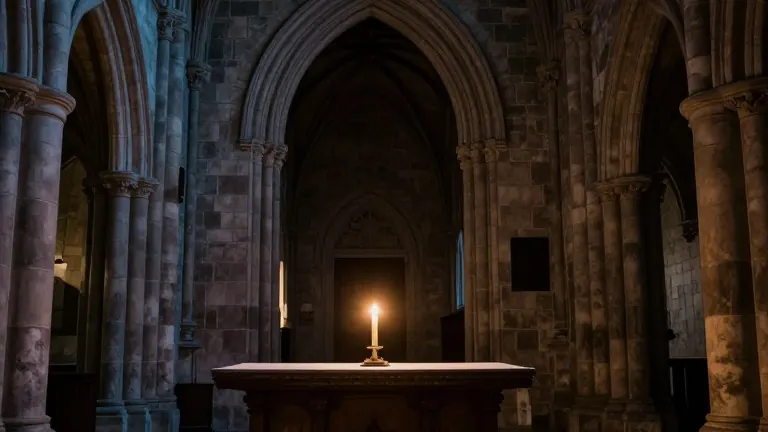
Catholic symbols and clergy appear more frequently in horror cinema than any other religious group. The genre often features priests, exorcisms, and Gothic architecture as primary elements in scenes of possession and evil.
Matthew J. Cressler, co-author of the new book Body and Blood: Catholic Horror in America, argued that the visual and theological elements of the faith align naturally with horror tropes. He noted that when supernatural threats emerge, audiences expect Catholic interventions rather than those from other denominations.
"When a vampire is at your door or your child is possessed, you do not call for a Methodist," Cressler said. He added that viewers instinctively reach for rosary beads, holy water, and priests to combat darkness.
Cressler and co-authors Jack Lee Downey, Kathleen Holscher, and Michael Pasquier stated that Catholic theology supports the horror narrative. The faith emphasizes that suffering brings one closer to Christ, a concept that resonates with the physical and spiritual trials common in the genre.
Aislinn Clarke, who wrote and directed the 2024 horror film Fréwaka, credited her Irish Catholic upbringing for her work in the genre. She recalled reading books about saints as a child, which described graphic details of martyrdom, such as St. Lucia removing her own eyeballs. Clarke said these stories provided a foundation for her later films.
The Rev. Aaron Williams, a pastor at the Basilica of Saint Mary in Natchez, Mississippi, consulted on the 2025 film The Ritual. Williams explained that while possession is rare, the church takes spiritual warfare seriously. He stated that clergy receive a special character through ordination that allows them to act with the authority of Christ against demonic forces.
Horror films also use Catholic settings to critique the institution itself. Clarke directed a scene in her 2018 film The Devil's Doorway where nuns perform a brutal medical procedure while singing hymns. The scene referenced the historical confinement of women in Magdalene laundries and asylums run by religious orders between the 18th and 20th centuries. Clarke said this birth sequence was the most horrific moment in the script for her.
Cressler said the prevalence of these tropes shapes how audiences perceive the church. He noted that a room filled with candles, crosses, and statues immediately signals danger to viewers familiar with the genre. The authors conclude that horror films bring cultural fears into the open, allowing audiences to confront their monsters before sequels resurrect them.
More Culture · Columbus news · Report a business · Got a Story?