Local film projects Bridget Cleary’s 1895 death to light
A new drama directed by Anne Williamson reopens the case of a Tipperary woman burned alive by her husband, a story kept quiet in the region for more than a century.
By James Anderson ·
Cloneen, County Tipperary residents are watching a new film that revisits the 1895 death of Bridget Cleary. The project, directed by Anne Williamson, was produced by the local community to examine a case that remained a taboo subject in south Tipperary for well over a century.
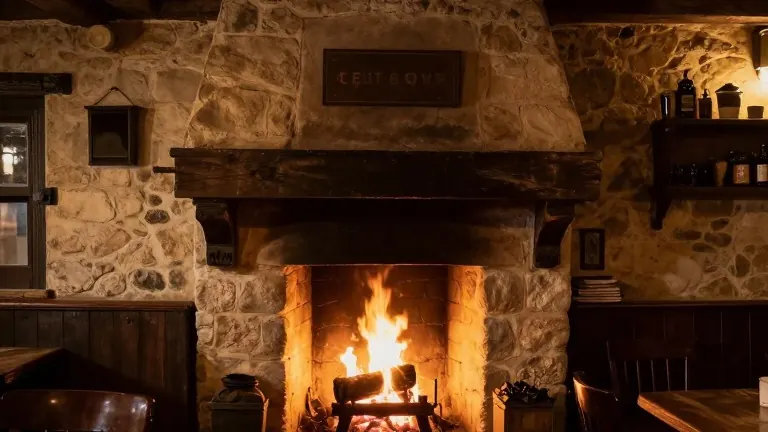
Mark Fitzgerald, a cast member and pub owner, said the story was once considered too painful to discuss. He recalled a customer asking if it was too soon to make a film about the event. Fitzgerald’s pub, The Thatch, served as a filming location because it contains authentic antique furnishings. One of the rooms was used for the central burning scene.
The film details how Michael Cleary, a cooper, killed his 26-year-old wife in their cottage. Cleary claimed Bridget was possessed by a fairy after she visited a fairy fort on Kylenagranagh Hill. He consulted Denis Ganey, a local herbalist and fairy doctor, who supported the belief that fairies feared fire. According to the narrative, Cleary burned Bridget’s face with a red-hot poker and poured lamp oil over her body before setting her alight.
Eugene O’Meara, another cast member, described the silence surrounding the event in the 1960s. He remembered learning a rhyme at primary school that referenced the case. When he mentioned it to his father, born in 1917 in Drangan, his father told him never to mention the name in the house again. O’Meara said the secrecy functioned like an omerta, preventing open discussion for decades.
Historical records show Bridget Boland, a seamstress, married Cleary in 1887. She had her own income from selling eggs and lived with her father, Patrick. After catching a cold, a doctor diagnosed her with bronchitis and left medicine, but Cleary preferred the advice of his friends. Eight people, including Bridget’s father, were present during the burning. Cleary locked the witnesses in the house while he dug a shallow grave for the body.
Cleary was convicted of manslaughter rather than murder and received a 15-year prison sentence. He escaped execution by hanging. The case gained global attention after a New York Times reporter described it as a witch burning, a term that linked it to the Salem trials for American readers. Williamson said the film aims to vindicate Bridget and address the misogyny she believes drove the crime.
Williamson noted that her grandfather, who lived a mile from the site, told her the story frequently but dismissed the fairy beliefs. He viewed Cleary as jealous and crazy. The director said the goal was to correct the historical wrong done to Bridget, who was buried in the middle of the night with no mourners.
More Culture · Dublin news · Report a business · Got a Story?