Irish historians urge return to ancient food traditions for Halloween
Experts suggest replacing plastic props with cabbage divination and colcannon to honor pre-Christian Samhain rituals.
By Nadia Khalil ·
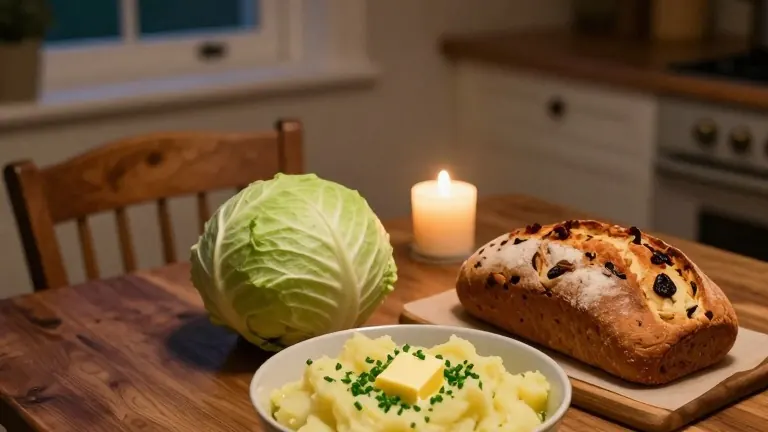
Halloween has expanded into a massive commercial event that begins in August. Dr. Marion McGarry, a historian and author of Irish Customs and Rituals, argues that modern consumers focus on buying orange plastic pumpkins and themed goods. She asks what exactly people are celebrating when they purchase these items. McGarry believes communities should return to Irish customs that stretch back thousands of years. These traditions were centered heavily on food rather than plastic decorations.
Ancient Ireland marked the year with four major seasonal festivals. Samhain signaled the start of winter and the end of the rural year. With the harvest gathered and animals slaughtered, the season naturally led to feasting. The shift from light to dark brought the belief that the veil between the living world and the otherworld grew thin. This allowed spirits and púcaí to walk among people. Many current Halloween habits, such as storytelling and divination, grew from these Samhain practices.
The original jack-o'-lantern was not carved from a pumpkin. The Irish custom involved carving a face into a turnip and placing a burning coal or sod of turf inside. When emigrants brought this custom to North America, they substituted pumpkins because they were easier to carve. McGarry notes that the story of Jack O'Lantern, a stingy man condemned to wander with a lantern, inspired many of the spooky designs seen today. This Americanized version has since been imported back to Ireland with a heavy focus on pumpkins and costumes.
Food also served as a protective charm against evil spirits. Margaret Hickey, author of Ireland's Green Larder, describes how people used food to protect children from fairies. One method involved rubbing salt and oatmeal on a child's head. Babies were sometimes given a spoonful of oatmeal or a small lump of butter. Children would dress in terrifying masks and go door to door to collect harvest bounty like apples and hazelnuts. This practice evolved into the trick-or-treating seen today, which now owes much to American movie depictions.
Parlor games featuring apples and cabbages were popular for divination. Players would bob for apples or eat them from a basin of water. Another game involved peeling an apple in a single strip and throwing the peel over one's shoulder to see what letter it formed. That letter indicated the initial of a future partner. In the cabbage patch, a blindfolded person would pull a cabbage to predict their husband's character. A good lump of clay with the root meant wealth, while a bare root meant poverty.
Barmbrack, a traditional fruit loaf, contained charms baked inside to reveal a person's fate. A button or thimble symbolized becoming an old maid or bachelor. A pea meant no marriage that year, and a coin promised wealth. Hickey notes that these items have been pared back in modern times, with plastic rings now being the most common find. Potato dishes like colcannon were also used for predictions. In many parts of Ireland, the first and last spoonfuls of Halloween colcannon were placed in a stocking and hung on the door. The first man to enter the house was believed to be the girl's future husband.
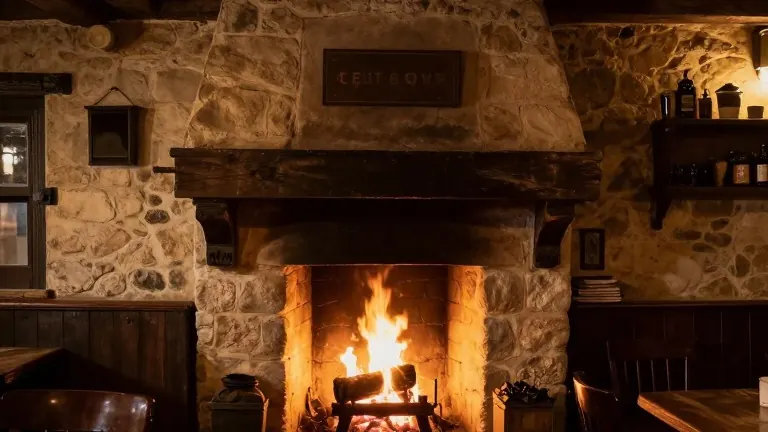
Leaving food out for the dead remains a key tradition. Hickey describes setting two portions of colcannon on a gate pier or at a fairy thorn. Some families left bread and water on the kitchen table at midnight. They left the door open and set chairs around the fire for the return of the dead. McGarry describes this as a fond remembrance that is particularly helpful for those who are grieving. She encourages modern Irish people to stoke the fire and leave out food to welcome their ancestors back into the home.
More Culture · Dublin news · Report a business · Got a Story?