Ohio voters decide governor race in key 2026 midterm
Ohio voters are heading to the polls to decide the governor's race, a key battleground in the 2026 midterms, with polls open from 6:30 a.m. To 7:30 p.m.
By Emily Brooks ·
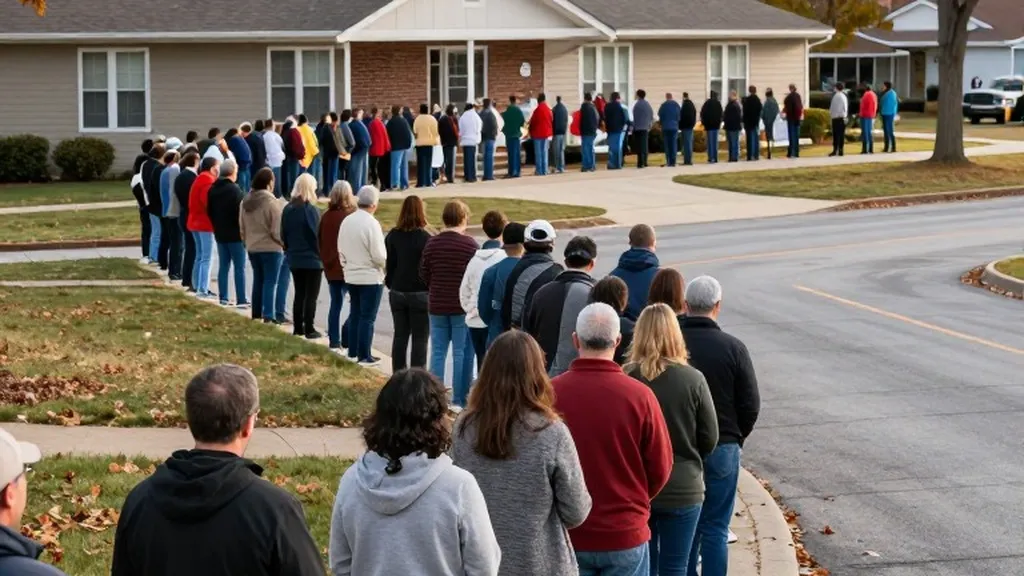
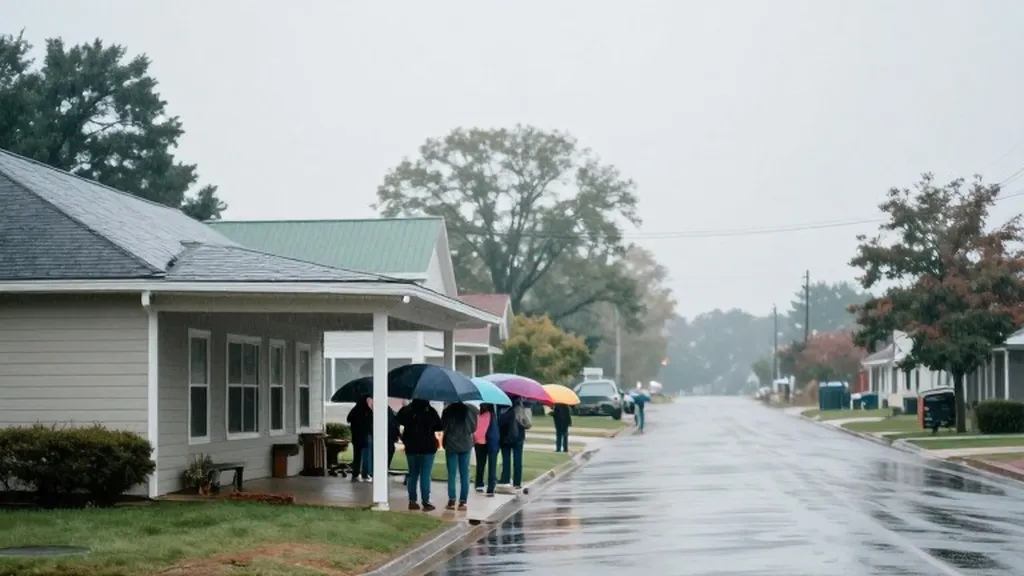
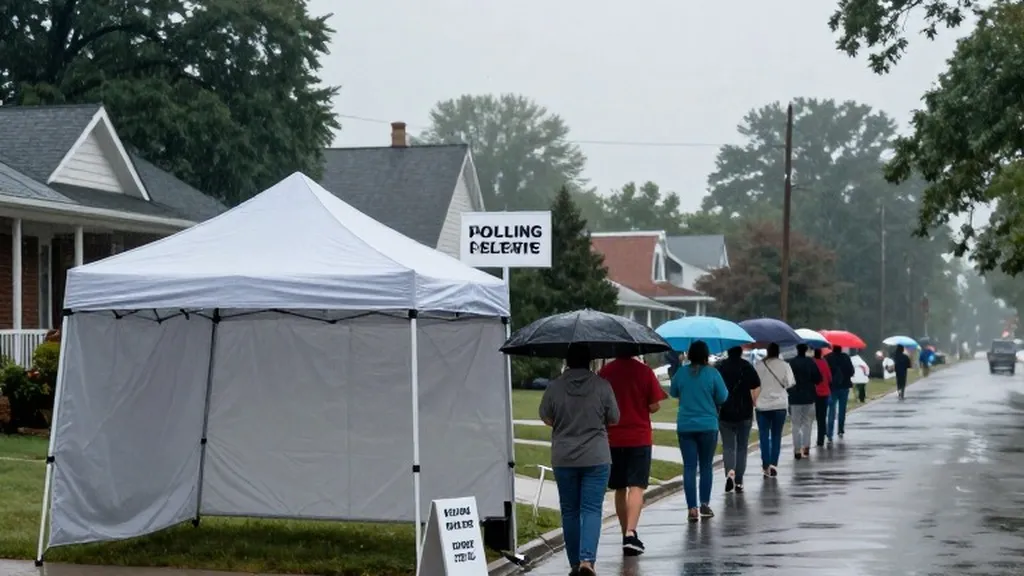
Voters in Columbus, Franklin County, and across Ohio are heading to the polls on Tuesday, November 3, 2026, to decide the next governor of the state. Polls in Ohio are open from 6:30 a.m. To 7:30 p.m. Local time, and residents in Columbus, Dublin, Delaware, Grove City, Reynoldsburg, and Hilliard can find their specific polling locations at vote.gov. This is an open seat race because the incumbent governor is not running for reelection. The ballot includes candidates from the Democratic, Independent, Libertarian, and Republican parties.
The Ohio governor's race is one of nine statewide governorships considered battlegrounds in the 2026 midterms. The Associated Press and PBS NewsHour have highlighted the matchup between Republican Vivek Ramaswamy and Democrat Amy Acton. Ramaswamy, a former Republican congressman, is challenging Acton in a contest that has drawn national attention. The Associated Press notes that the race has become a focal point for parties seeking to control the state's executive branch during the final two years of President Donald Trump's second term.
The campaign has been marked by intense advertising and specific strategic moves. The Associated Press reports that Ramaswamy's campaign faced significant backlash over a television advertisement that featured Acton's estranged mother. This incident highlighted the personal stakes of the race and the aggressive tactics employed by both sides. As voters head to the polls in Franklin County, the outcome of this race will determine who signs state laws and manages the budget for Ohio residents in the coming years.
In addition to the governor, Ohio voters are selecting candidates for every U.S. House seat in the state, as well as state and local offices. Ballotpedia confirms that all congressional districts in Ohio are on the ballot, reflecting the new congressional maps adopted after mid-decade redistricting. Ohio is one of seven states using new maps this year, alongside California, Florida, Missouri, North Carolina, Tennessee, and Texas. These new boundaries have reshaped the competitive landscape for House races, making several districts closer than they were in the previous cycle.
Ohio is also holding a special election for a U.S. Senate seat to fill the remainder of the term previously held by Vice President JD Vance. The Associated Press identifies this as a key race, pitting Republican Senator Jon Husted against Democratic former Senator Sherrod Brown. This special election is part of a broader national trend where 35 Senate seats are at stake, including 33 regular elections and two special elections. The winner in Ohio will begin their term on January 3, 2027, if elected in the regular cycle, but the special election winner will serve the remaining portion of the current term.
Locally, Franklin County voters are also deciding on state and local measures that vary by county. The ballot includes a state supreme court election, intermediate appellate court races, and municipal government positions. Additionally, a statewide ballot measure known as Issue 3 is on the ballot, which would require photo identification to vote. The result of this measure will influence how Ohio conducts future elections, a topic of significant debate among election officials and advocacy groups across the state.
Nationally, the 2026 midterm elections are viewed as a referendum on President Trump's second term. The Associated Press reports that 35 percent of U.S. Adults approve of Trump's job performance, while about seven in 10 say the country is heading in the wrong direction. More than 57 million people had already voted as of Monday, surpassing early vote totals from four years ago in many closely watched states. This high level of early participation suggests that turnout will be a critical factor in determining control of Congress.
Republicans are bracing for the possibility of losing the House and are fighting to hold the Senate. The Associated Press notes that one or two seats could tip either chamber. Democrats, meanwhile, are described as cautiously optimistic. The stakes are high because if Democrats win even one chamber, investigations and possible impeachment proceedings become more likely. House Democratic Leader Hakeem Jeffries has outlined a 100-day agenda focused on the cost of living and oversight if his party gains the majority.
In Columbus and surrounding communities, the mood reflects the national narrative of economic anxiety. The Associated Press quotes voter James Moore, 57, a librarian in Raleigh, North Carolina, who stated, "I'm paying more taxes. I'm paying more for my healthcare. I'm paying more for everything." Similar sentiments are reported across the country, with many voters citing high prices and an unpopular war with Iran as primary concerns. The Associated Press notes that most voters blame President Trump for the current economic conditions.
Money is playing a significant role in the 2026 elections, which are expected to be the most expensive in history. Republican committees have outraised and outspent Democratic committees, aided by Trump-affiliated groups and Elon Musk. However, at the candidate level, Democrats have outraised their opponents. The Associated Press analysis of AdImpact data shows that 88.1 percent of Republican general election television ad spending went to states and districts Trump won in 2024. This spending strategy reflects the Republican focus on consolidating support in areas where the president performed well.
Administrative challenges have also shaped the election process. A federal judge temporarily barred the Trump administration from implementing a plan to prevent noncitizen voting, a move that critics say risks disenfranchising eligible voters. The U.S. Postal Service has added hours, staff, and special lines to ensure that mail ballots are counted on time. In Ohio, where polls are open until 7:30 p.m., anyone in line when the polls close is entitled to vote. These logistical details are crucial for ensuring that every eligible voter in Franklin County and across the state can participate in the election.