Columbus voters decide governor as national races tighten
Polls are open in Franklin County for the open governor's seat, while Democrats fight to reclaim control of Congress in a historic midterm.
By Emily Brooks ·
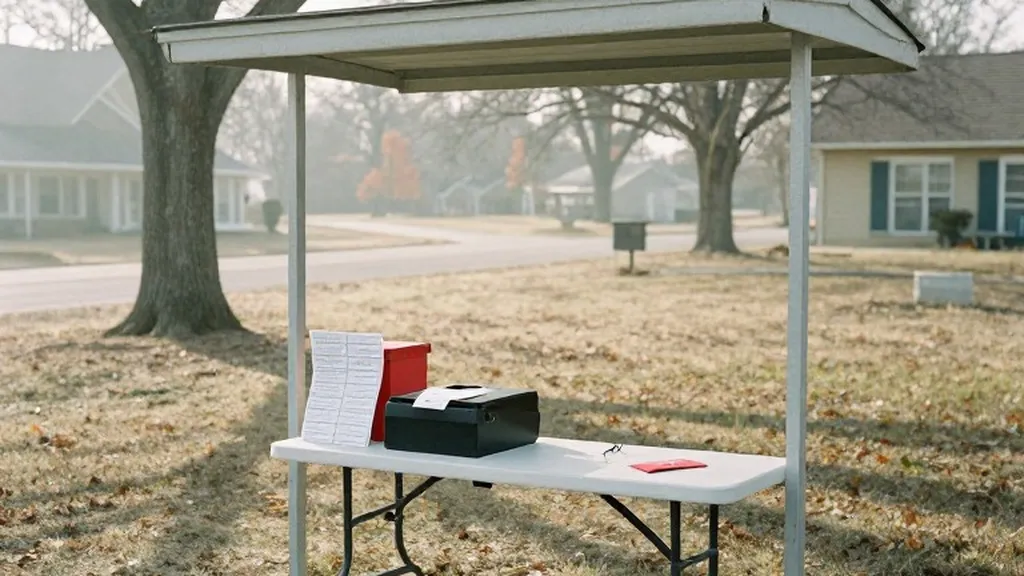
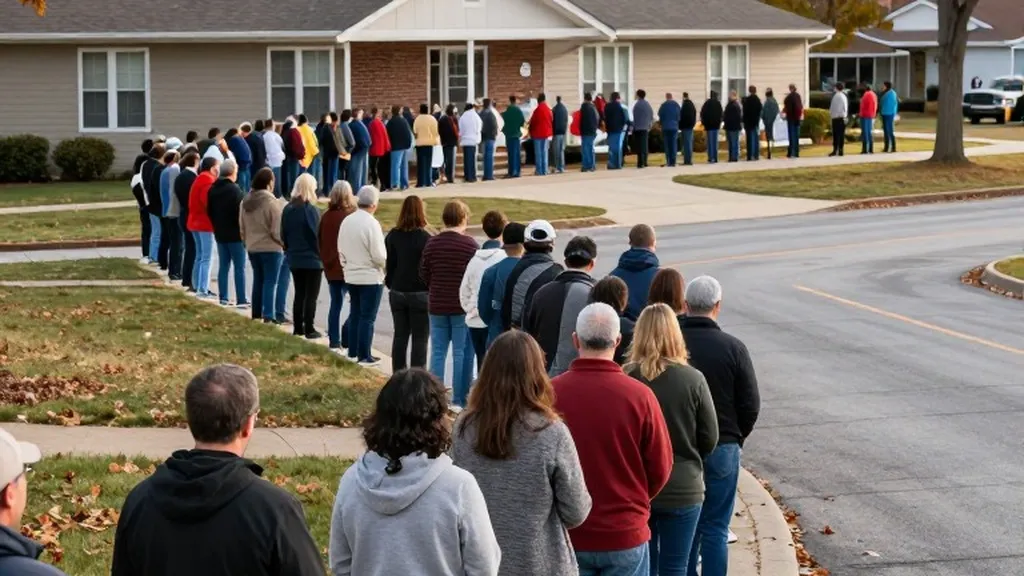
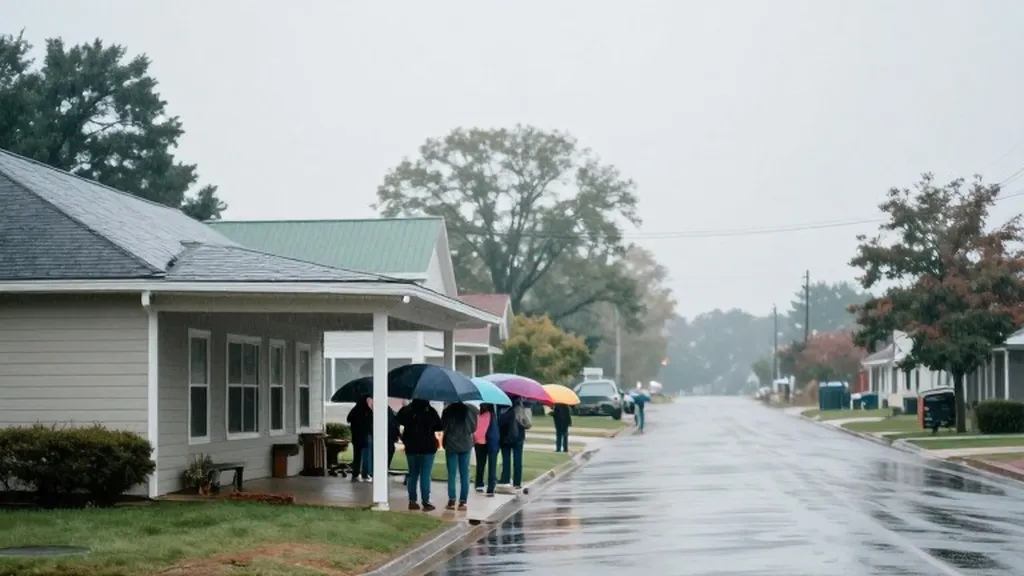
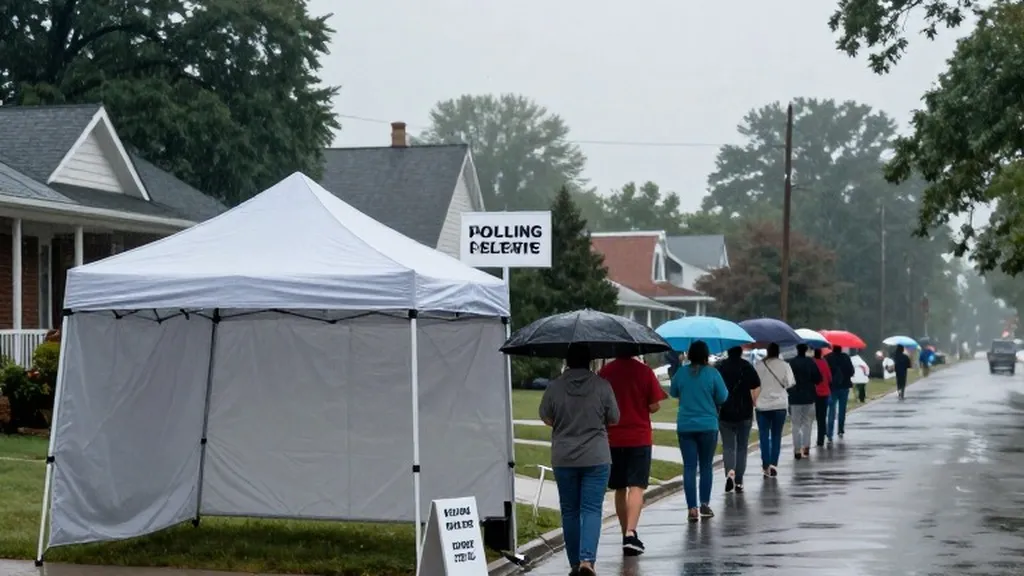
Columbus residents and voters across Franklin County have turned out today to cast ballots in the 2026 midterm elections. Polls are open from 6:30 a.m. To 7:30 p.m., a schedule set by state law that allows for extended voting hours in this state. The primary statewide contest in Ohio is for governor, an open seat because the incumbent is not running. The ballot lists candidates from the Democratic, Independent, Libertarian, and Republican parties. Voters in Columbus, Dublin, Delaware, Grove City, Reynoldsburg, and Hilliard are also selecting members for the U.S. House of Representatives, state legislative offices, and local municipal positions. This election serves as a referendum on President Donald Trump's second term, with voters weighing their choices against a backdrop of high prices and an unpopular war with Iran.
In the Ohio governor's race, Republican Vivek Ramaswamy faces Democrat Amy Acton. Ramaswamy's campaign recently faced backlash over an advertisement that featured Acton's estranged mother. This matchup is part of a broader national trend where 36 governorships are up for grabs. Republicans currently hold 26 governor's offices, while Democrats hold 24. Democrats need a net gain of two governorships to achieve a nationwide majority, a status Republicans have held since 2010. Texas, Florida, and Iowa are other competitive governor races, but Ohio remains a key battleground where the outcome could shift the balance of state executives across the country.
While Ohio voters focus on the executive branch, the national picture is dominated by the fight for control of the U.S. House of Representatives. All 435 seats are on the ballot, with Republicans holding 218 seats and Democrats holding 214. Democrats need a net gain of three districts to secure a majority, a threshold that makes every vote in the 46 battleground districts identified by Ballotpedia crucial. The AP notes that 60 House incumbents, including 23 Democrats and 37 Republicans, did not run again, creating open seats that are often more volatile. In states like Ohio, new congressional maps drawn after mid-decade redistricting are in play, which may influence how these districts vote compared to previous cycles.
The U.S. Senate race is equally intense, with 35 of the 100 seats up for election. This includes 33 regular elections and two special elections for the remainder of the terms held by Marco Rubio and JD Vance. Republicans hold 53 seats, while Democrats hold 45, plus two independents who caucus with Democrats. Democrats need a net gain of four seats to take the majority. Ballotpedia lists 13 Senate races as battlegrounds, including Georgia, where Senator Jon Ossoff faces Republican Representative Mike Collins. In Ohio, the special Senate election features Republican Senator Jon Husted against Democratic former Senator Sherrod Brown. The AP describes the mood as one of cautious optimism for Democrats, who are bracing for a potential loss in the House while fighting to hold the Senate.
The mood among voters is shaped by economic concerns and political fatigue. AP-NORC polling indicates that only 35 percent of U.S. Adults approve of Trump's job performance, and about 7 in 10 say the country is heading in the wrong direction. More than 57 million people had already voted as of Monday, surpassing the early vote of four years ago in many closely watched states. RNC Chairman Joe Gruters stated that everything depends on turnout, emphasizing that if Republicans turn out their voters, they will win. In contrast, DCCC Chair Representative Suzan DelBene said the American people are angry and want change. These sentiments are echoed in local polling places, where voters in Columbus and surrounding towns are casting their ballots to decide the next two years of federal leadership.
The money spent in this election is likely to be the most expensive in history. Republican committees outraised and outspent Democratic committees, helped by Trump-affiliated groups and Elon Musk. However, at the candidate level, Democrats outraised their opponents. AP analysis of AdImpact data shows that 88.1 percent of Republican general election TV ad spending went to states and districts that Trump won in 2024. This heavy spending reflects the high stakes of the election, where one or two seats could tip either chamber. If Democrats win even one chamber, investigations and possible impeachment proceedings become likely, and House Democratic Leader Hakeem Jeffries would be the first Black speaker if his party takes the House.
Election administration has been a point of contention leading up to this day. A federal judge temporarily barred the Trump administration from carrying out a plan to prevent noncitizen voting, a move critics said risked disenfranchising eligible voters. Another judge ordered the administration to stop demanding that California election officials segregate ballots cast by people on lists of suspected noncitizens. The U.S. Postal Service added hours, staff, and special lines to ensure mail ballots are counted on time. These administrative hurdles have added a layer of complexity to the day, but the process continues smoothly in most polling places across Columbus and the state.
The election is being watched closely by Wall Street, where results could add to investor concerns about AI spending and debt ceiling negotiations. The AP describes the election as a referendum on Trump's second term, with voters struggling with high prices and angry over an unpopular war with Iran. The AP-NORC polling shows that 25 percent approve of his handling of the economy, and most blame him for high prices. In Columbus, voters are weighing these national issues against local concerns, including the cost of living and the direction of state government under a new governor.