Franklin County voters weigh economic strain and oversight stakes
As polls open at 6:30 a.m., residents decide on new congressional maps and a special Senate race while the national outcome determines oversight of the president's final two years.
By Nadia Khalil ·
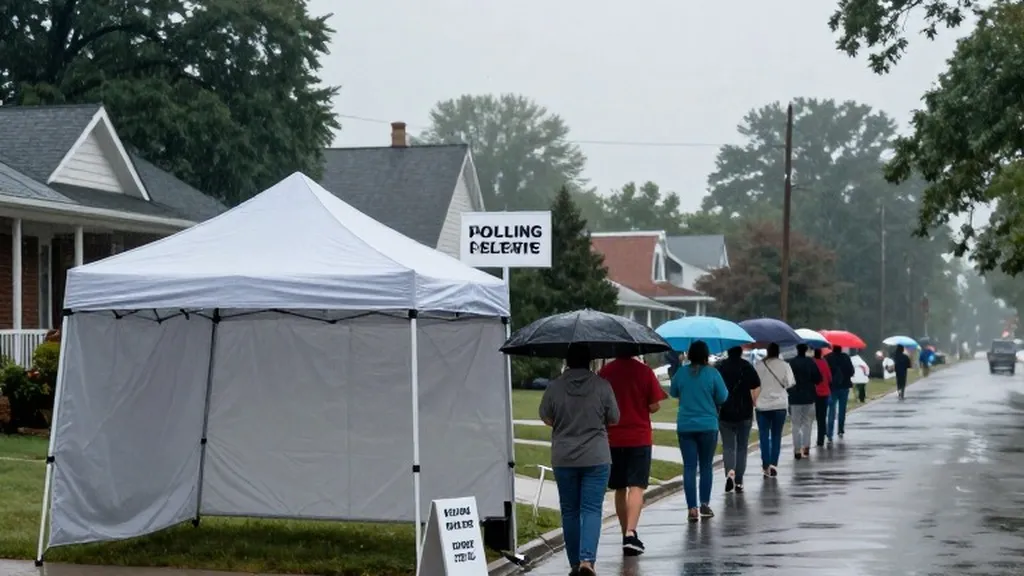
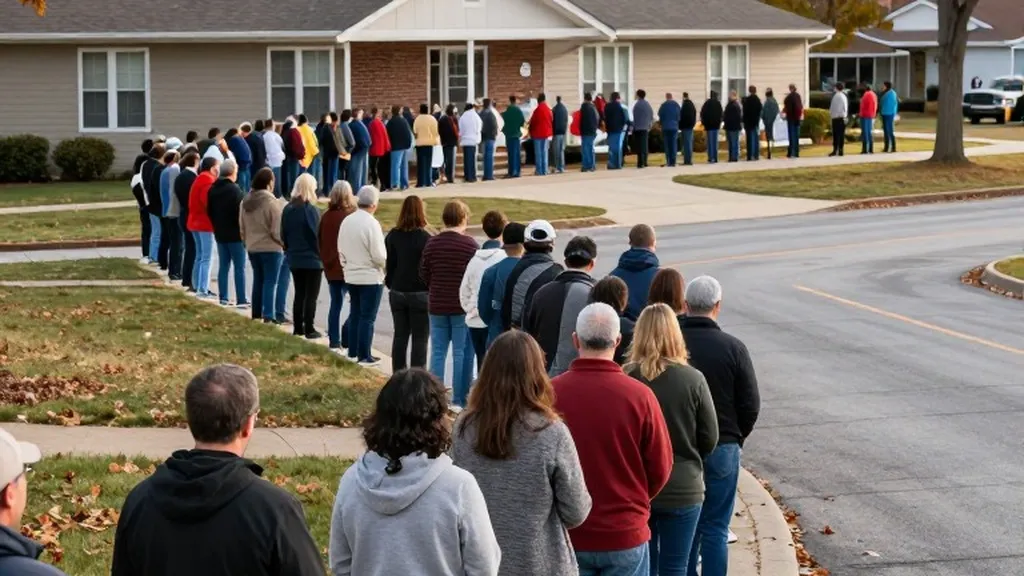
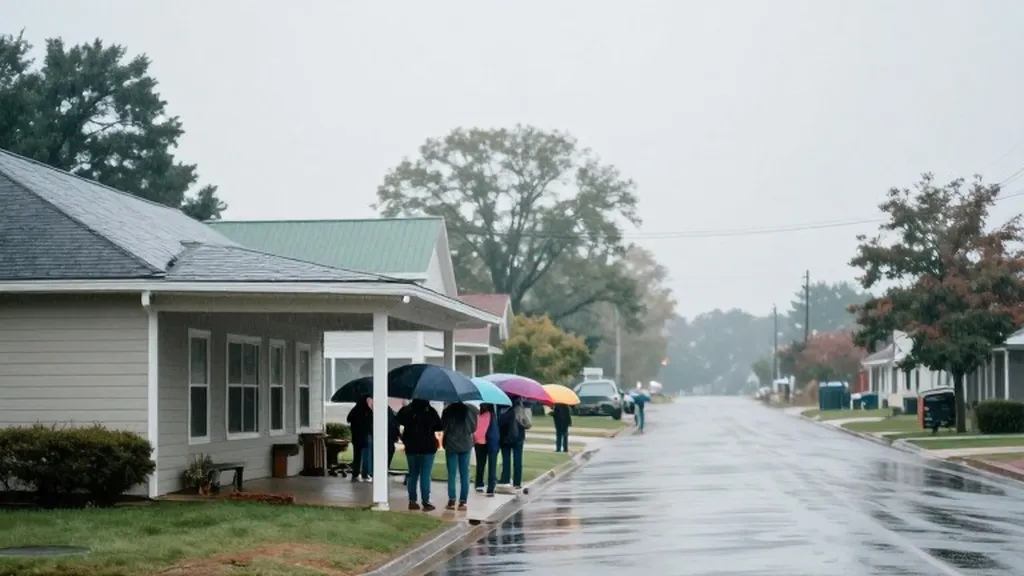
In Franklin County and across Ohio, polls open at 6:30 a.m. And remain open until 7:30 p.m. On Tuesday, November 3, 2026. Voters in Columbus, Dublin, Delaware, Grove City, Reynoldsburg, and Hilliard are heading to the polls to cast ballots for every U.S. House seat in the state, the governorship, and a special U.S. Senate election. The Ohio Bureau of Elections and Ballotpedia note that these are the only federal offices on the statewide ballot, alongside state and local measures that vary by county.
The governor's race is an open contest with no incumbent running, featuring Republican Vivek Ramaswamy against Democrat Amy Acton. The Associated Press reported that Ramaswamy's campaign recently faced backlash over an advertisement featuring Acton's estranged mother. This race is one of 36 governorships up for grabs nationwide, where Republicans currently hold 26 offices and Democrats hold 24.
Ohio voters are also deciding a special election for the U.S. Senate to fill the remainder of the term previously held by Vice President JD Vance. The Associated Press identifies the matchup as Republican Senator Jon Husted versus Democratic former Senator Sherrod Brown. This special election is distinct from the regular Senate cycle, as Ohio is not holding a regular six-year Senate election this year.
Locally, the election is being characterized by the Associated Press as a referendum on President Donald Trump's second term, with voters reportedly struggling with high prices and anger over an unpopular war with Iran. In Franklin County, this national mood intersects with the use of new congressional maps, as Ohio is among six states using new district lines after mid-decade redistricting.
The national outcome will determine which party controls Congress for the president's final two years, a period that will include oversight of executive actions and budget negotiations. Republicans currently hold a 53-45 majority in the Senate, with two independents caucusing with Democrats, while Democrats hold 214 House seats to the Republican 218. Democrats need a net gain of four Senate seats and three House districts to claim majorities in both chambers.
Wall Street is closely watching these results for signals on debt ceiling negotiations and investor confidence regarding AI spending. A shift in power could trigger investigations and possible impeachment proceedings if Democrats gain control of either chamber, as outlined by House Democratic Leader Hakeem Jeffries, who has proposed a 100-day agenda focused on the cost of living and oversight.
More than 57 million people had already voted as of Monday, surpassing early vote totals from four years ago in many states. In Ohio, the U.S. Postal Service has added staff and hours to ensure mail ballots are counted on time, a logistical effort that has drawn national attention.
Trump administration polling shows 35 percent of U.S. Adults approve of his job performance, while approximately seven in ten say the country is heading in the wrong direction. These sentiments are driving turnout in battleground districts, including 46 House districts identified by Ballotpedia as competitive, where incumbents are facing challenges from both parties.
Republicans are bracing for the possibility of losing the House, a pattern common in midterm elections, while Democrats are described as cautiously optimistic. The Associated Press reports that one or two seats could tip the balance in either chamber, making the final hours of voting critical in states like Ohio, Georgia, and Michigan.
Voters in Ohio are also weighing a statewide ballot measure, Issue 3, which would require photo identification to vote. This measure is part of a broader debate over election administration, as federal judges have recently issued orders regarding the Trump administration's plans to verify voter citizenship.
The election is expected to be the most expensive in history, with Republican committees outspending their Democratic counterparts at the committee level, aided by Trump-affiliated groups and Elon Musk. However, Democratic candidates outraised their opponents at the individual level, signaling a deep financial commitment to local and state races in places like Franklin County.